

Sleep & Recovery Editorial Team
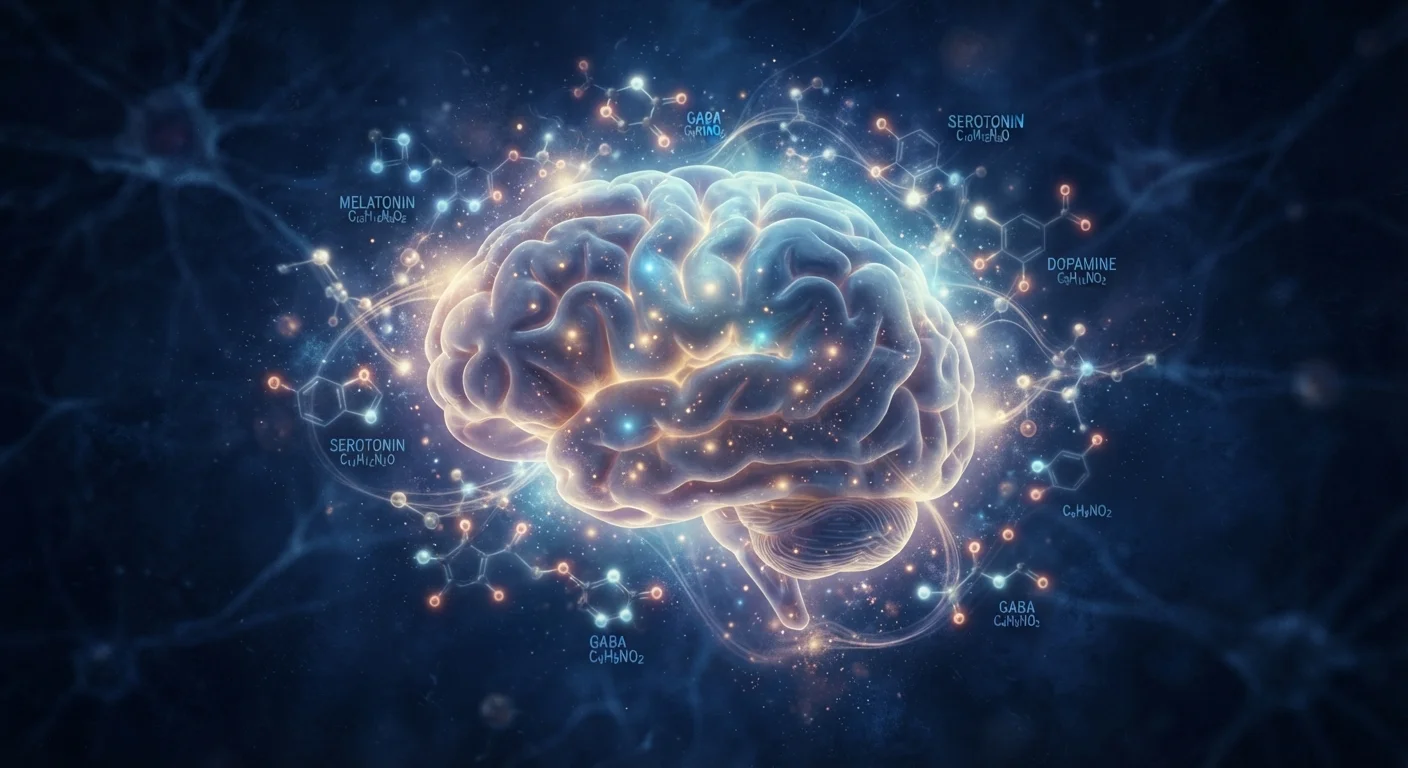
Adenosine and Sleep Pressure: The Chemistry Behind Feeling Tired
Adenosine builds up in your brain while you're awake and drives the urge to sleep. Here's …
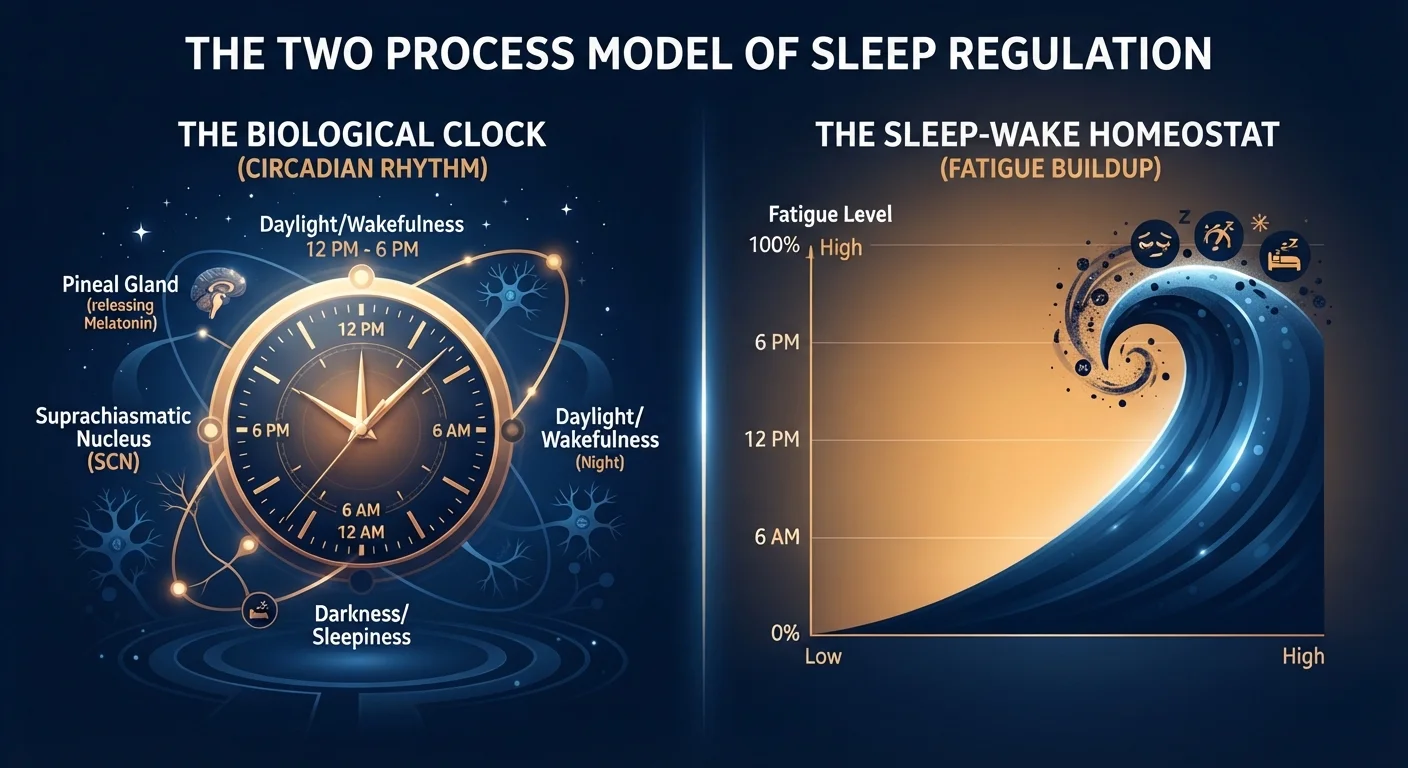
Circadian Rhythm vs. Sleep Pressure: Two Forces That Control When You Fall Asleep
Your sleep timing is governed by two separate biological systems. Understanding both expla…

How Light Exposure Shapes Your Sleep-Wake Cycle
Light is the primary cue your brain uses to set its internal clock. Learn how morning sun,…
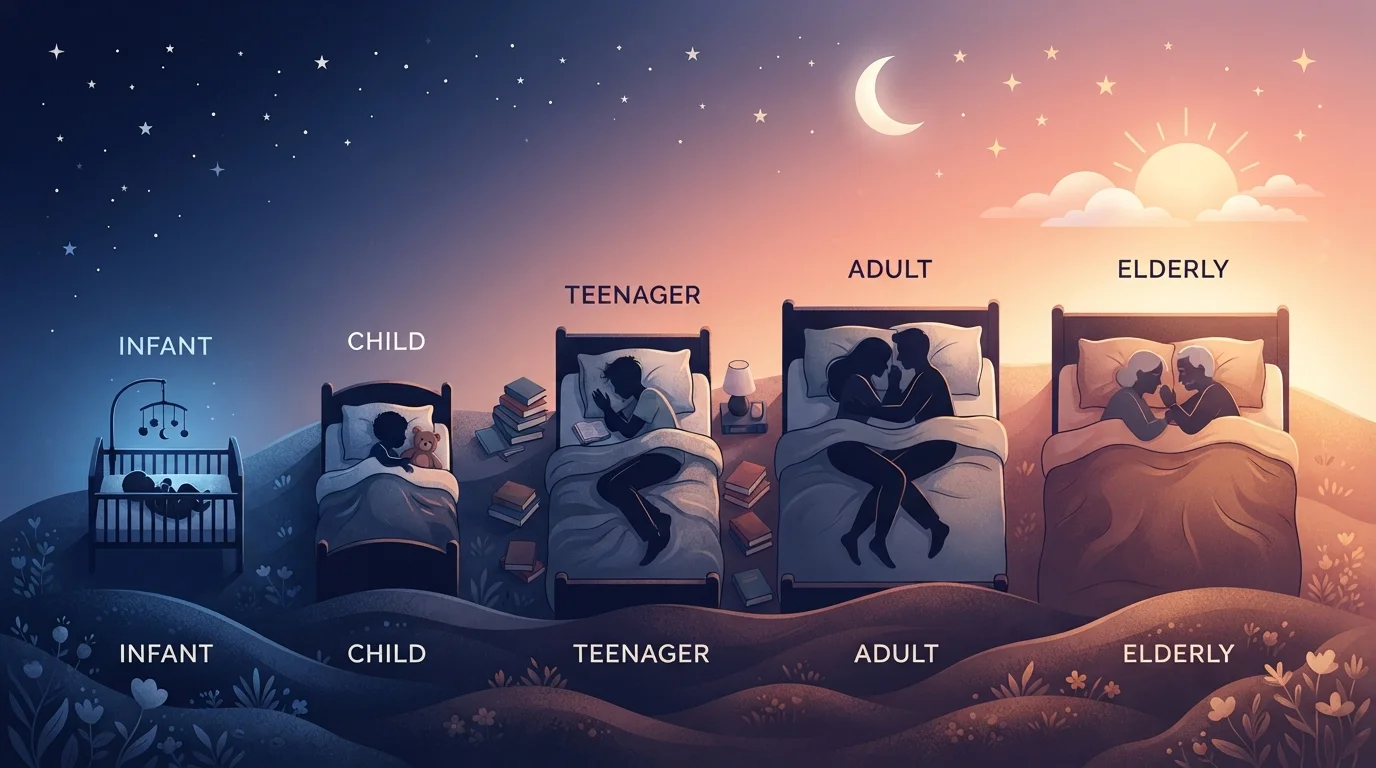
How Sleep Changes From Infancy Through Old Age
Sleep architecture shifts significantly at every life stage. A science-informed guide to w…
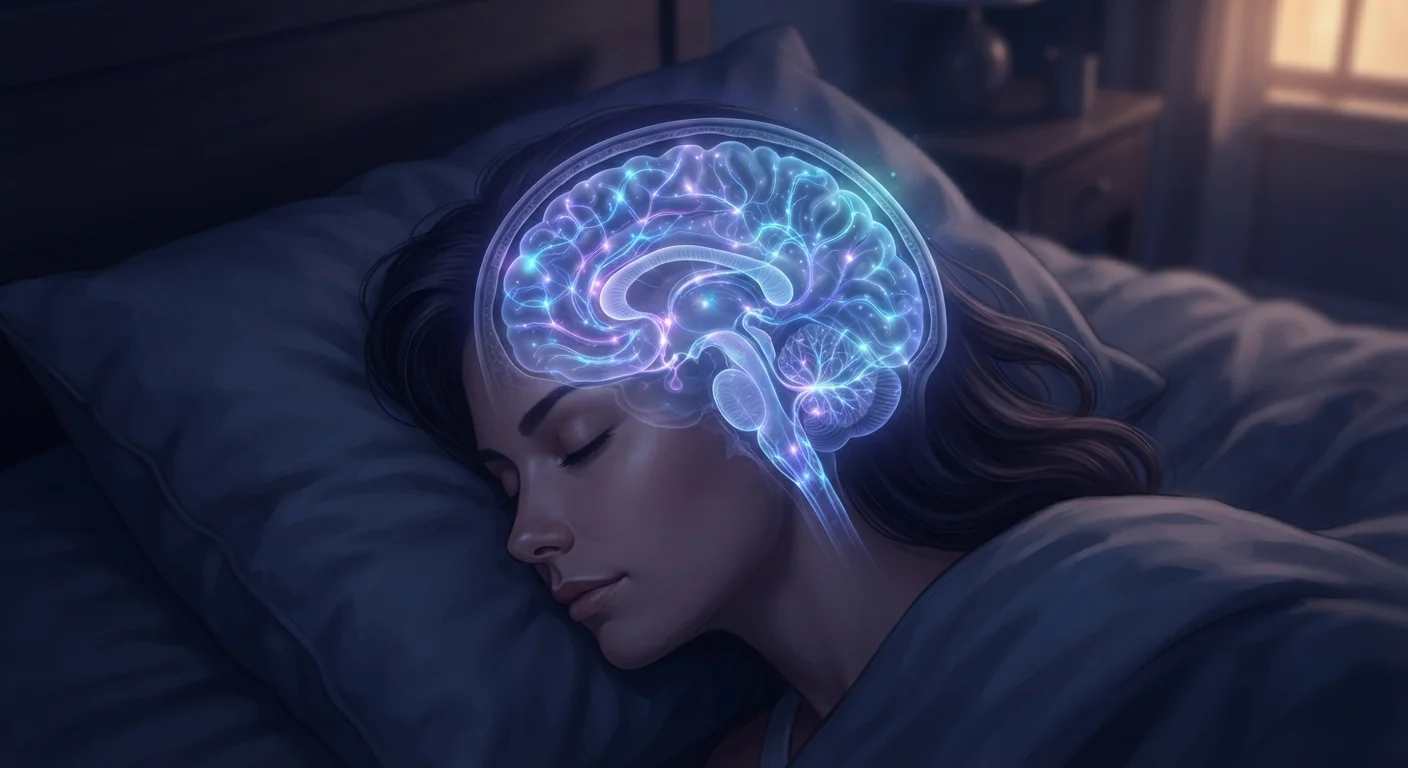
Inside the Sleeping Brain: What Your Body Is Actually Doing Each Night
From memory consolidation to tissue repair, here's a science-based look at what unfolds in…

Melatonin's Actual Role in Sleep Biology
Melatonin signals darkness, not sleep itself. Here's an evidence-based look at what melato…
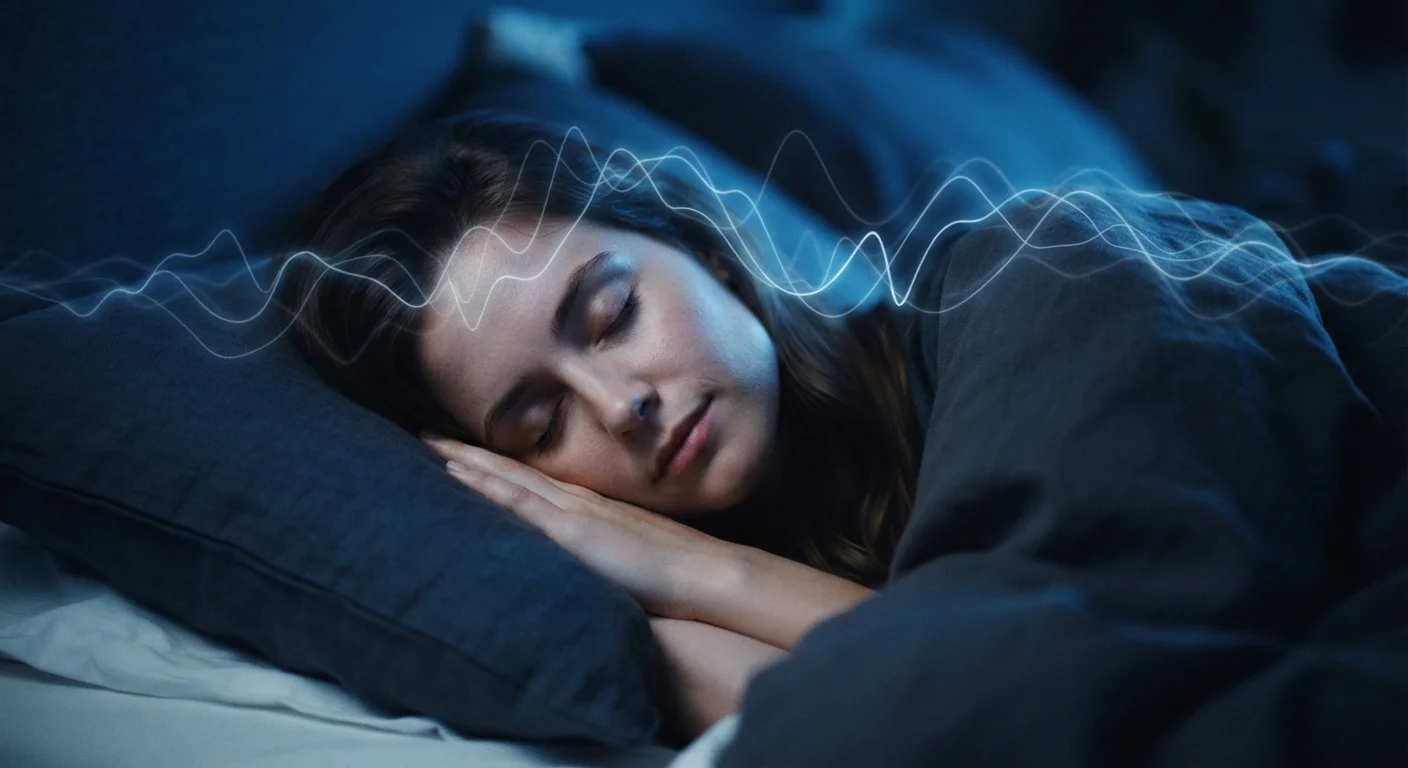
REM Sleep: Why the Dreaming Stage Matters Far Beyond Dreams
REM sleep is linked to emotional regulation, learning, and creativity. Here's what the sci…

Reading a Sleep Study Report: What Polysomnography Data Means
If you've had or been referred for a sleep study, this plain-language guide explains the k…

Short Sleeper vs. Chronically Sleep-Deprived: Is There a Difference?
Some people genuinely thrive on six hours; most who think so are running a hidden deficit.…

Sleep Science Myths That Keep Getting Repeated
Does everyone need exactly eight hours? Can you truly "catch up" on sleep? Science-based c…

Sleep and the Immune System: What the Science Actually Shows
Research links sleep quality to immune function, but the relationship is complex. Here's a…
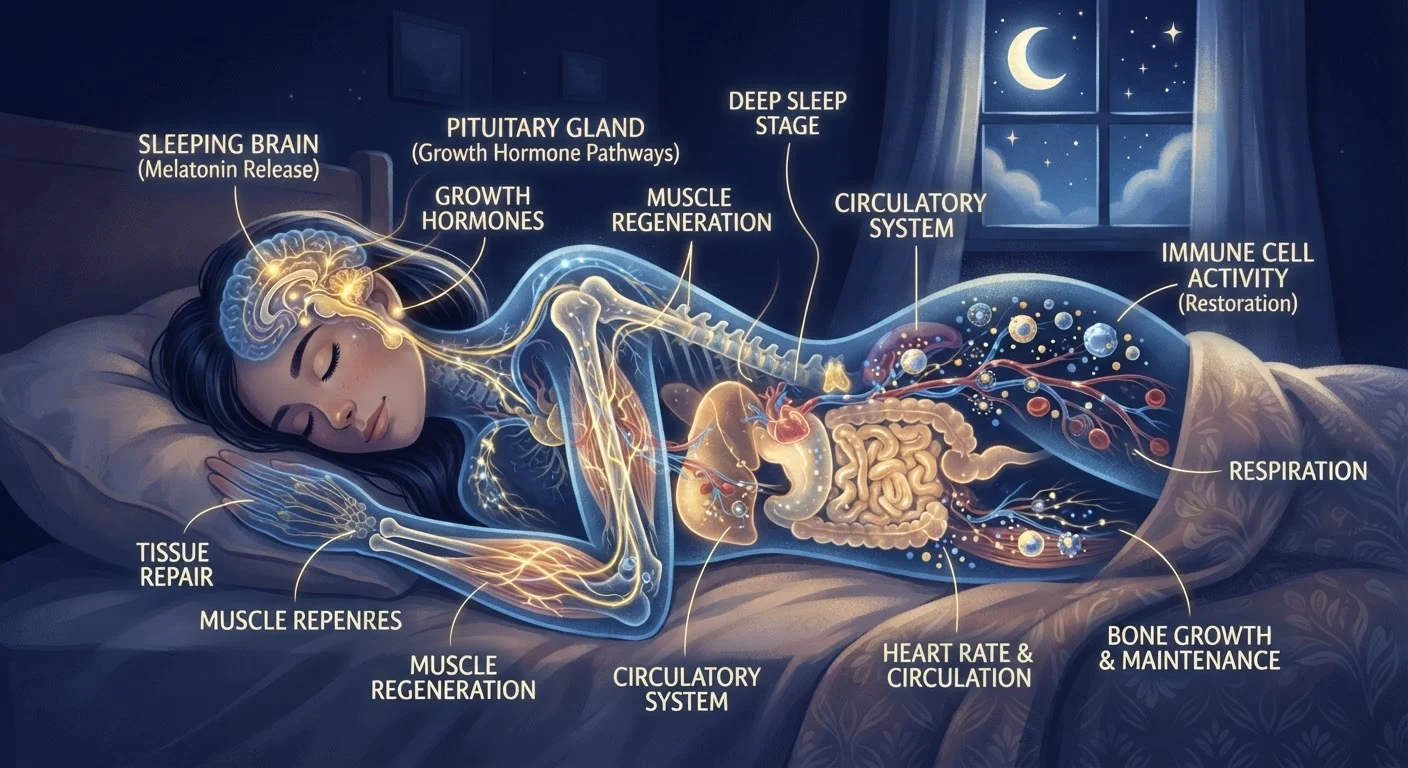
Slow-Wave Sleep and the Body's Overnight Repair Crew
Deep sleep triggers growth hormone release and immune activity. Discover the biology behin…

The Cognitive Cost of Lost Sleep: What Research Reveals
Even modest sleep loss affects memory, decision-making, and reaction time. A clear look at…
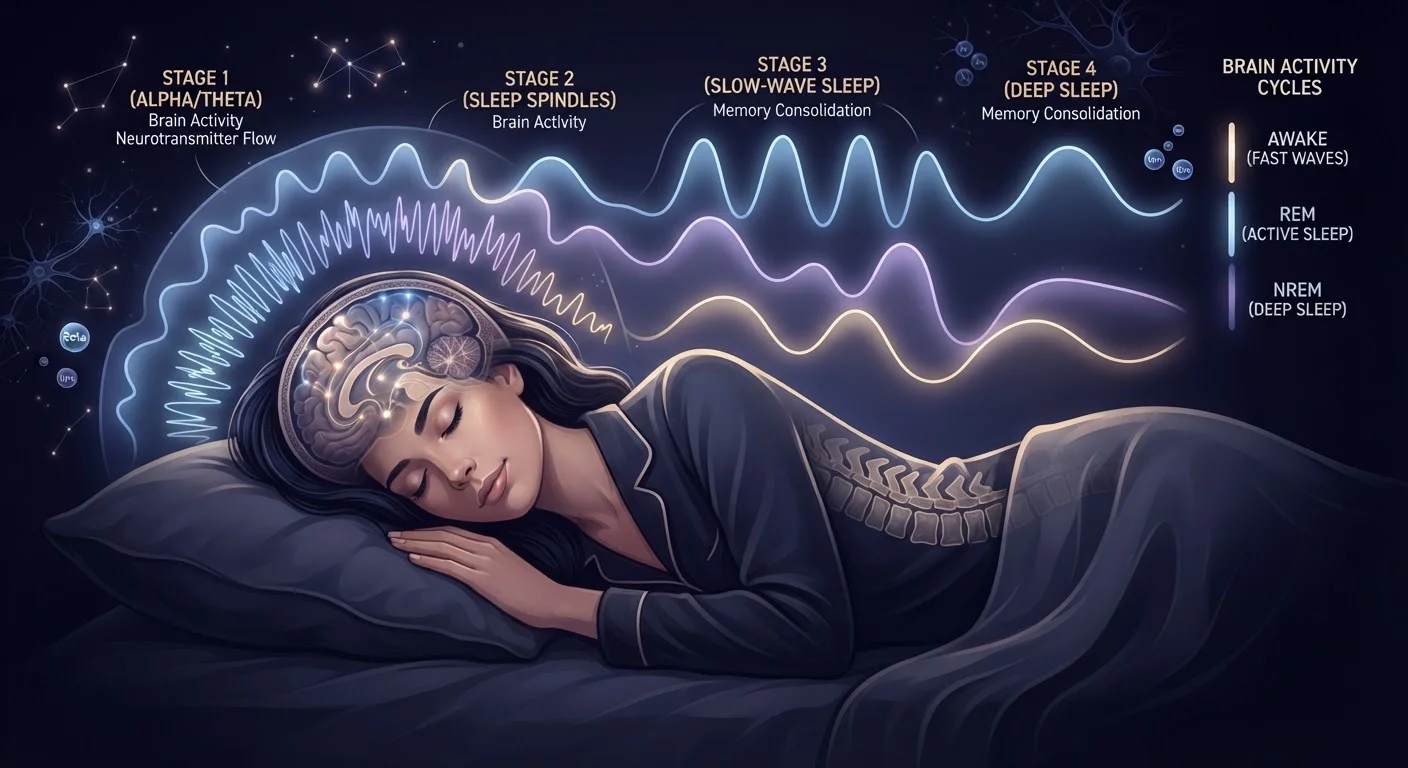
The Four Stages of Sleep, Decoded
Light sleep, deep sleep, REM — learn what each stage does, how long it lasts, and why all …
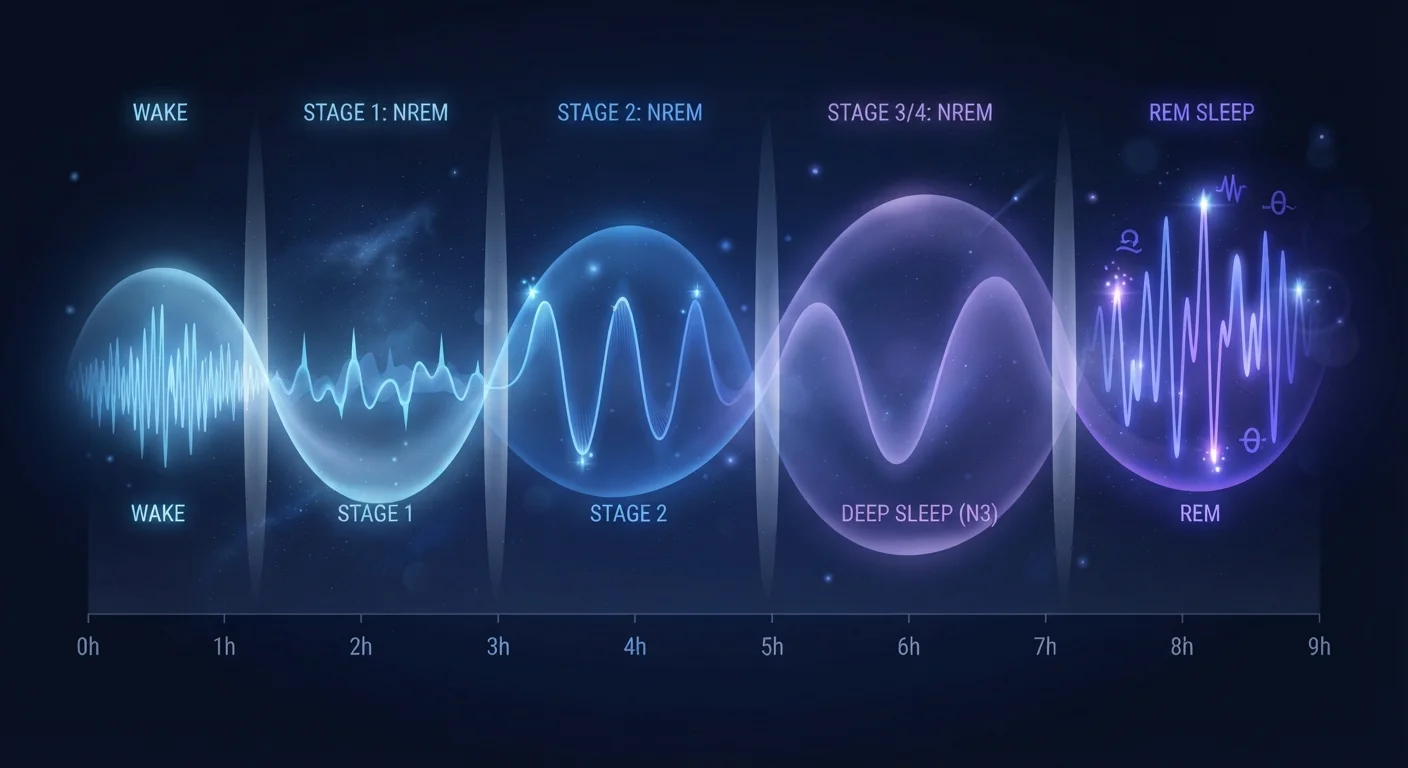
Understanding Sleep Architecture: A Beginner's Map of the Night
Sleep isn't a single uniform state — it cycles through distinct stages all night long. Thi…

Why Teenagers Fall Asleep Later: The Biology of the Adolescent Sleep Shift
Teen sleep schedules aren't laziness — puberty shifts the circadian clock later. Here's th…

Active Recovery vs. Complete Rest: Which Does Your Body Need?
Weighing light movement against full rest days? Here's what the evidence says about when e…

Building a Rest Day Routine That Actually Supports Recovery
Rest days aren't just about doing nothing. Learn how to structure light activity, nutritio…
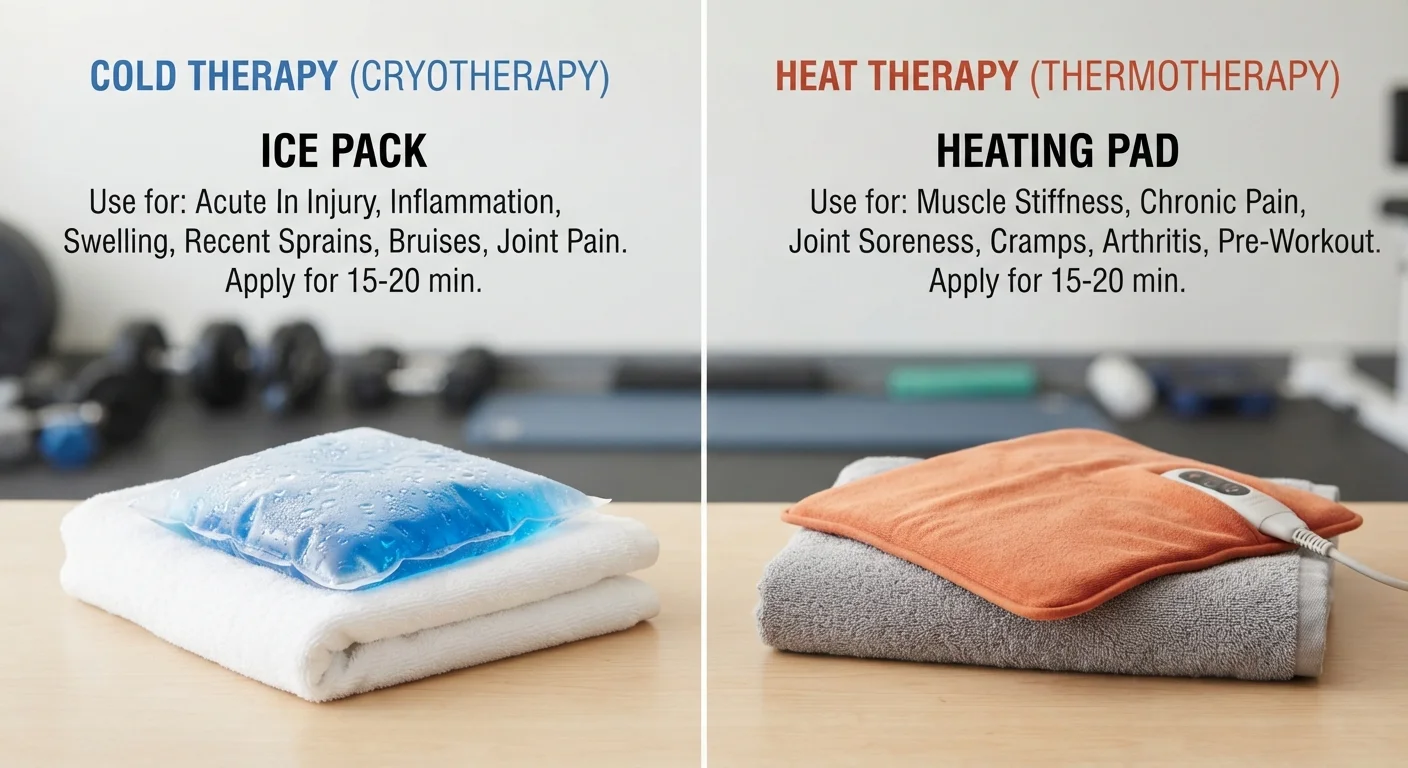
Cold Therapy vs. Heat Therapy for Sore Muscles
Ice bath or heating pad? This side-by-side breakdown explains when cold or heat is the rig…

Joint Recovery After Exercise: What's Normal and What Warrants Attention
Achy knees or stiff hips after a workout? Learn how joints recover from load and when post…

Overtraining Syndrome: What It Is and How the Body Gets There
Overtraining isn't just feeling tired. Explore the physiological cascade that leads to ove…

Physical Recovery From Exercise: A Complete Overview
A thorough, evidence-based guide covering muscle repair, sleep, nutrition, hydration, and …

Post-Workout Recovery for Beginners
New to exercise? This straightforward guide explains the basics of recovery — sleep, nutri…

Protein, Carbs, and Hydration: How Nutrition Shapes Recovery
What you eat and drink after exercise matters. Understand how macronutrients and fluids su…
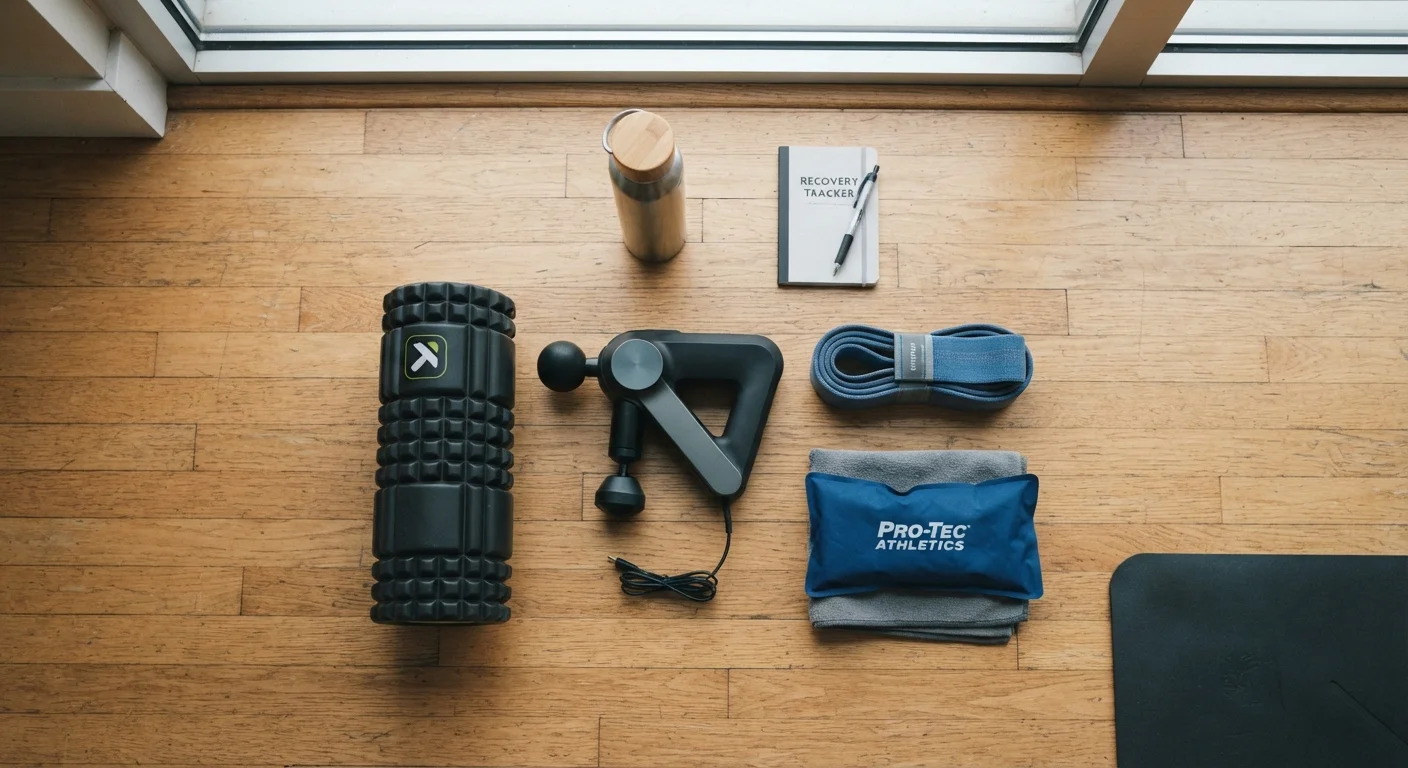
Recovery Strategies Compared: Foam Rolling, Stretching, Massage, and More
From foam rolling to massage guns, this comparison weighs popular recovery methods by what…
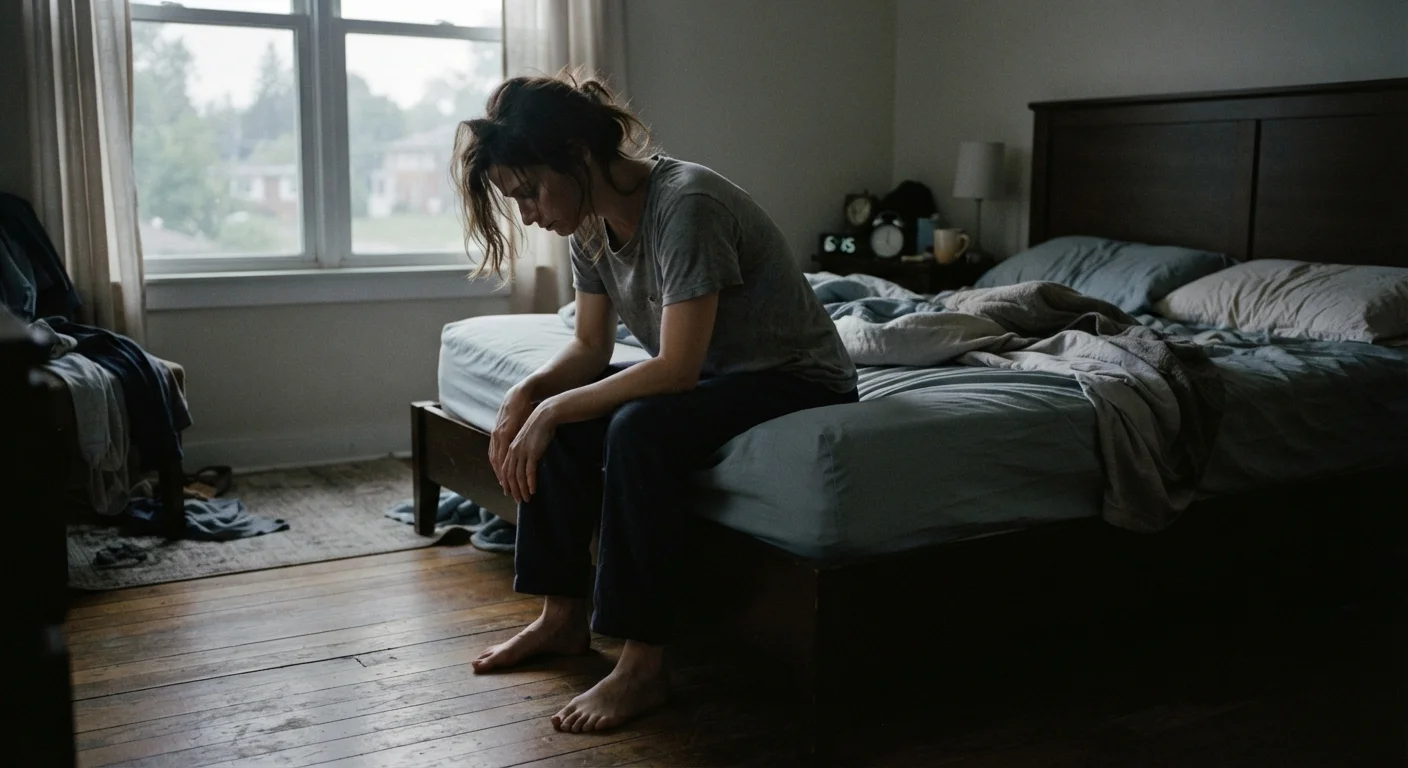
Signs Your Body Hasn't Fully Recovered - and What to Do About It
Persistent fatigue, irritability, and declining performance can all signal incomplete reco…
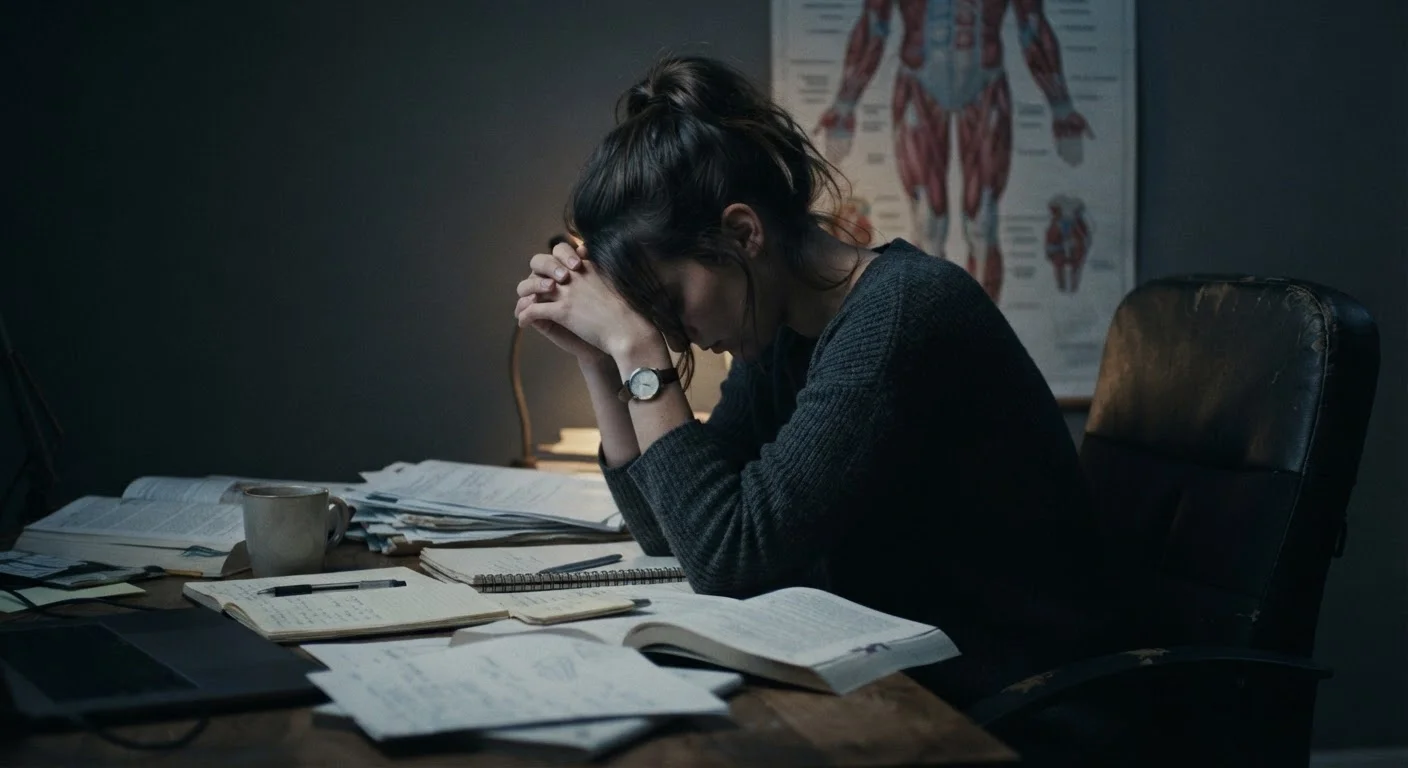
Stress, Cortisol, and the Hidden Barrier to Physical Recovery
Chronic stress can undermine your body's ability to repair itself after exercise. Discover…

The Phases of Physical Recovery Every Exerciser Should Know
From inflammation to tissue remodeling, understanding recovery's biological stages helps y…

The Role of Sleep in Muscle Repair and Physical Recovery
Deep sleep is when much of the body's repair work happens. Here's how sleep quality and du…
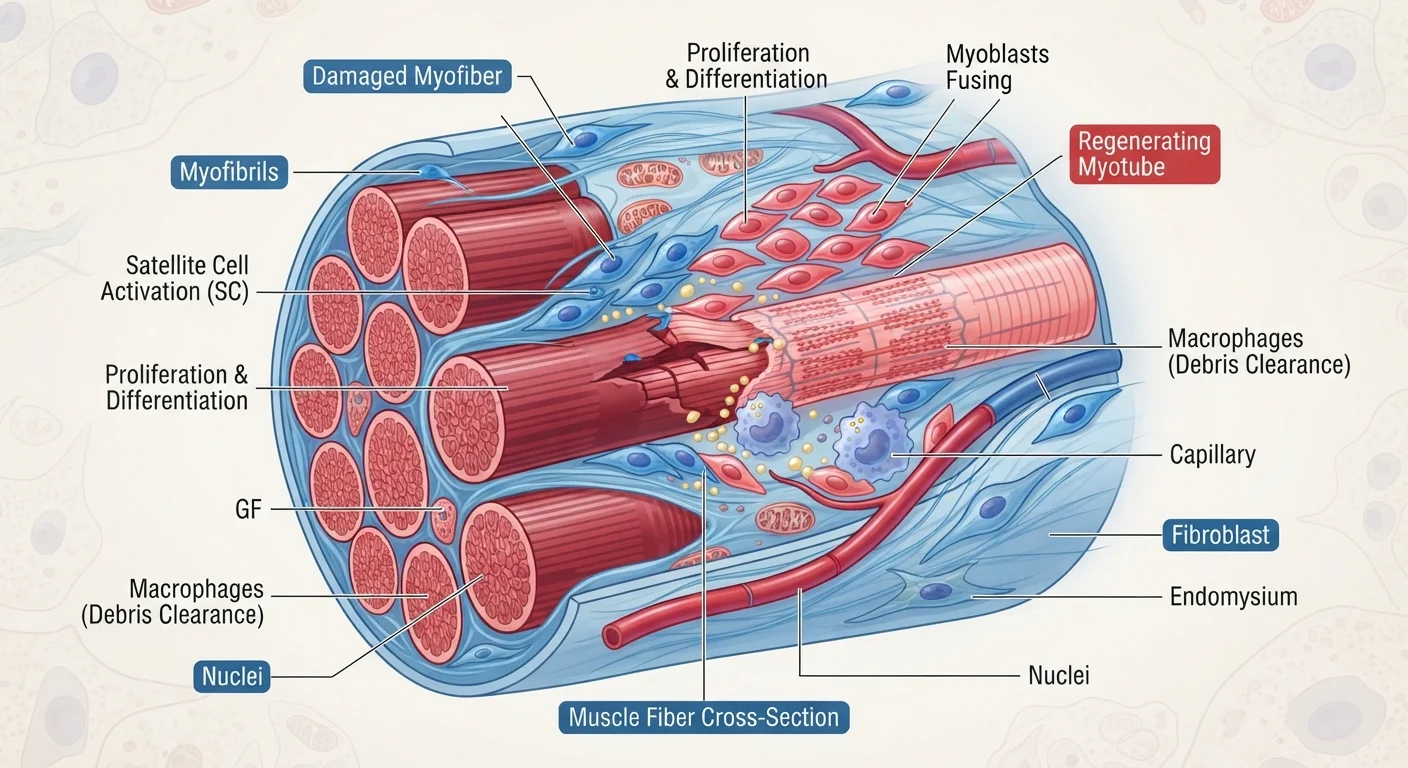
What Actually Happens to Your Muscles After a Hard Workout
Explore the science of muscle repair after exercise — from micro-tears to protein synthesi…

Why Delayed Onset Muscle Soreness Isn't What Most People Think
DOMS is widely misunderstood. Separate the myths from the science behind that familiar pos…

Why Rushing Back After Injury Often Makes Things Worse
Returning to exercise too soon is one of the most common recovery mistakes. Here's what ha…

A Practical Guide to Rest for People Who Feel Guilty Slowing Down
Productivity culture can make rest feel wrong. This guide examines the psychology behind r…

Active Recovery vs. Passive Rest: Choosing What Your Body Actually Needs
Should you take a gentle walk or lie on the couch? Understand when active recovery serves …

Afternoon Energy Dips: What's Normal, What's a Signal, and How Rest Fits In
Mid-afternoon fatigue is nearly universal. Learn what drives it physiologically and when a…

Building a Rest Routine That Works Around a Full Life
Structured downtime doesn't require a spa or a vacation. Practical approaches for weaving …

Digital Rest: What Unplugging from Screens Really Means for Your Mental Health
Screen-free time is increasingly discussed as a form of cognitive restoration. Learn what …

Mental Fatigue Is Not Laziness - Here's What's Really Happening
Cognitive depletion has measurable physiological roots. Learn what mental fatigue actually…

Nature Exposure as Rest: What the Evidence Says About Green Space and Recovery
Time outdoors is frequently cited as restorative. Here's an honest look at what research s…

Restorative Practices Across Cultures: What Different Traditions Know About Rest
From siesta to shinrin-yoku, many cultures have developed intentional rest traditions. A s…

Sensory Rest in a Noisy World: What It Is and When to Prioritize It
Constant stimulation — noise, light, notifications — takes a measurable toll. Understand s…

Social Rest: The Often-Overlooked Role of Low-Demand Connection in Recovery
Not all social time is draining — and not all solitude restores. Learn what social rest me…

Solitude vs. Loneliness: Understanding the Difference When You Need to Recharge
Time alone can be deeply restorative or quietly harmful depending on context. Explore how …

The Science of the Restorative Break: What Research Tells Us About Micro-Rest
Short, intentional pauses during the day can meaningfully support focus and recovery. Here…

The Seven Types of Rest - and Why Missing Any One of Them Leaves You Drained
Physical tiredness is just one kind of exhaustion. Explore the full spectrum of rest types…

What Non-Sleep Rest Actually Does for Your Body and Mind
Non-sleep rest is more than doing nothing. Learn how different types of rest restore your …

Why Weekends Don't Always Feel Restful - and What to Do About It
Many people end Sunday feeling more tired than they started. Common patterns that undermin…

Your End-of-Day Wind-Down: A Checklist for Mental and Physical Restoration
A consistent evening routine can transition your body and mind out of high-alert mode. Use…