

Key Takeaways
- REM sleep supports emotional regulation, learning, and creative problem-solving — not just dreaming.
- Adults cycle through REM roughly four to six times per night, with the longest periods in the final hours of sleep.
- Alcohol, some medications, and sleep deprivation significantly reduce REM duration.
- Consistently cutting short your sleep cuts disproportionately into REM time.
- Consult a healthcare professional if you suspect disrupted sleep is affecting your health.
REM Sleep
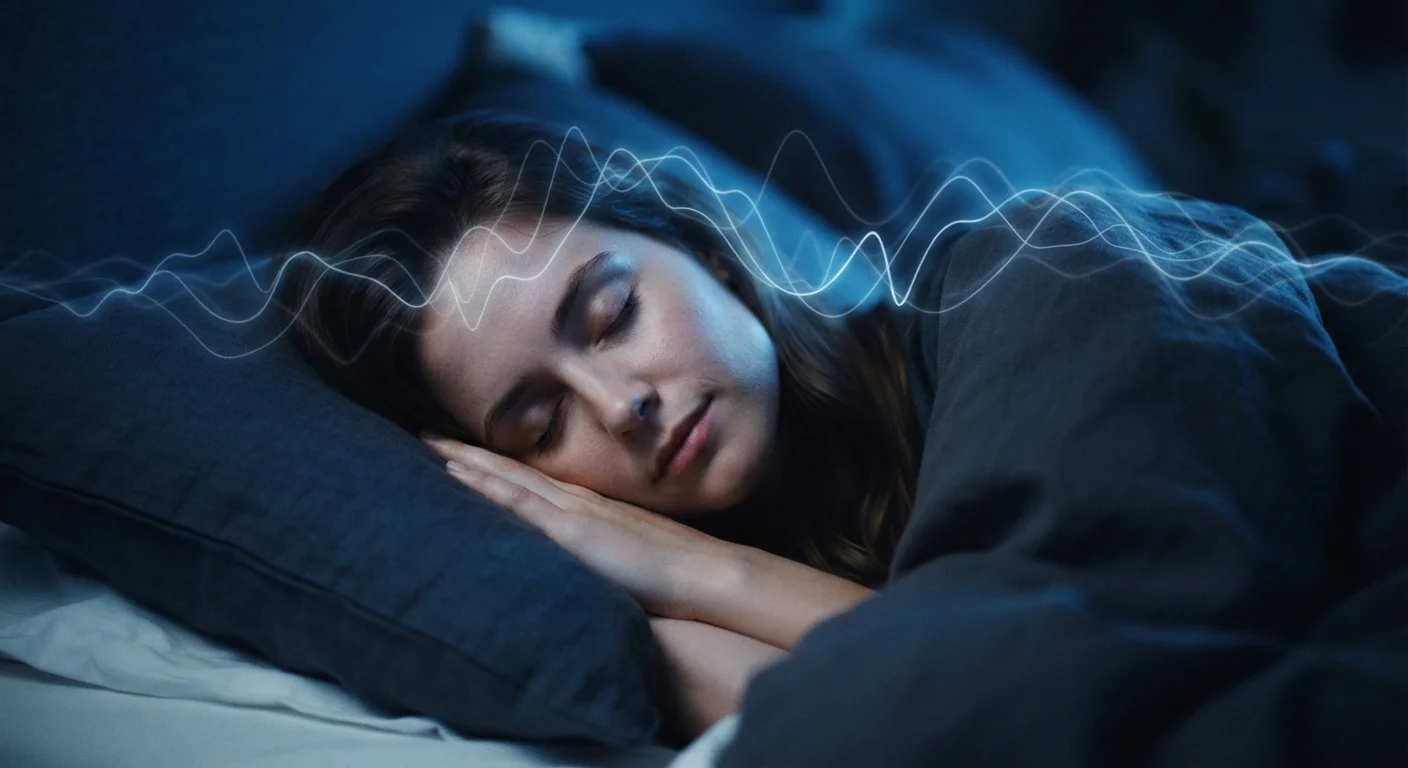
REM (Rapid Eye Movement) sleep is the stage of sleep most associated with vivid dreaming. During this phase, the brain becomes highly active while the body remains essentially paralyzed, preventing people from physically acting out dreams. It typically first occurs about 90 minutes after falling asleep and recurs in increasingly longer periods throughout the night.
During REM, the brain exhibits electrical activity resembling wakefulness, driven by bursts of activity from the brainstem. Acetylcholine rises sharply while aminergic neurotransmitters like serotonin and norepinephrine are suppressed — a neurochemical environment thought to support memory consolidation and emotional processing.
What Actually Happens During REM Sleep
REM sleep was first identified in 1953 by researchers Nathaniel Kleitman and Eugene Aserinsky, who noticed that sleepers' eyes darted rapidly beneath closed lids at certain intervals — and that waking them during these periods almost always prompted vivid dream reports. Since then, scientists have uncovered a far richer picture of what this stage actually does.
During REM, the brainstem sends signals that effectively disconnect the motor cortex from the body's muscles, producing a temporary paralysis called atonia. This prevents people from physically acting out the movements their dreaming brains are generating. At the same time, the limbic system — the brain's emotional center — becomes especially active, which researchers believe underlies REM's role in processing emotionally charged experiences.
See how REM fits within the full sleep cycle for a complete picture of all four stages.
REM Sleep and Memory Consolidation
One of REM's most studied functions is its contribution to memory. Research suggests that REM sleep plays a specific role in consolidating emotional and procedural memories — the kind tied to skills, habits, and emotionally significant events — while slow-wave (deep) sleep handles more declarative, fact-based recall.
During REM, the hippocampus and neocortex engage in a dialogue that appears to help transfer newly acquired information into longer-term storage. Studies in which participants were selectively deprived of REM showed measurable impairments in tasks requiring pattern recognition and emotional learning, reinforcing the idea that dreaming sleep does real cognitive work.
20–25%
Proportion of adult sleep that is REM
According to the American Academy of Sleep Medicine, healthy adults spend roughly one-fifth of their total sleep time in REM across a full night.
90 min
Time before first REM period begins
REM typically first appears about 90 minutes after sleep onset, following a full cycle through lighter and deeper non-REM stages.
4–6×
Number of REM cycles per night
Most adults cycle through REM four to six times per night, with each successive REM period lasting longer than the previous one.
For a deeper look at how the sleeping brain clears waste and consolidates thought, see the science behind why sleep repairs your brain.
Emotional Regulation: The Overnight Therapy Hypothesis
Neuroscientist Matthew Walker has described sleep — and REM in particular — as a form of "overnight therapy." During REM, levels of the stress-related neurochemical norepinephrine drop significantly. This unique neurochemical environment may allow the brain to replay and reprocess emotionally difficult memories without the full physiological stress response, gradually reducing their emotional charge over time.
This theory helps explain why people often feel better equipped to handle emotional challenges after a full night of sleep, and why chronic sleep deprivation is consistently associated with increased anxiety, irritability, and difficulty managing stress. Insufficient REM has also been linked in research to impaired recognition of social and emotional cues in others.
“Sleep is not the absence of wakefulness. It is a profoundly active state — and REM sleep in particular appears to strip away the emotional charge from difficult experiences while preserving the memory of those events.”
— Matthew Walker, Professor of Neuroscience and Psychology, University of California, Berkeley; author of research on sleep and emotional memory
Learn more about how REM and deep sleep each contribute to mental clarity and mood.
What Disrupts REM — and How to Protect It
Several common factors are known to suppress or fragment REM sleep. Alcohol consumed within a few hours of bedtime reliably reduces REM in the first sleep cycles. Certain antidepressants — particularly SSRIs and SNRIs — are also documented REM suppressants, though this effect varies by individual and medication; anyone with concerns should speak with their prescribing clinician rather than adjusting medication independently.
Because REM periods grow progressively longer in the second half of the night, simply cutting sleep short — even by an hour — disproportionately reduces total REM. An adult sleeping six hours instead of eight can lose a significant fraction of their expected REM time.
Practical steps that support healthy REM include: maintaining consistent sleep and wake times, avoiding alcohol close to bedtime, managing stress with evidence-based techniques, and prioritizing a full night's sleep rather than treating the last hour or two as expendable.
For broader guidance on building restorative sleep habits, visit sleep and recovery resources for everyday health.
This article is for general informational purposes only and does not constitute medical advice. If you have concerns about your sleep quality or health, please consult a qualified healthcare professional.