

Key Takeaways
- Blood pressure has no reliable symptoms, making routine screening the only dependable way to detect problems early.
- A reading below 120/80 mmHg is considered normal for most adults by current U.S. clinical guidelines.
- Hypertension affects nearly half of American adults, yet many are unaware they have it.
- Consistent screening cadence matters as much as any single reading — one high number is not a diagnosis.
- Both numbers in a reading carry meaning; isolated systolic or diastolic elevation each carries distinct risks.
- Lifestyle factors, medications, and chronic conditions can all influence blood pressure readings over time.
Blood Pressure Screening
Blood pressure screening is a simple, painless test that measures the force of blood pushing against artery walls as the heart pumps. The result is expressed as two numbers — systolic (pressure when the heart beats) over diastolic (pressure when the heart rests between beats). Regular screening helps identify high blood pressure, or hypertension, before it causes noticeable symptoms or serious harm.
Blood pressure is measured in millimeters of mercury (mmHg). Clinical guidelines classify readings into distinct categories — normal, elevated, and hypertension stages — each associated with different levels of cardiovascular risk and clinical recommendations.
What the Two Numbers Actually Mean
Every blood pressure reading contains two values separated by a slash. The top number — systolic pressure — measures the force in your arteries when your heart contracts and pushes blood forward. The bottom number — diastolic pressure — captures the pressure when your heart relaxes between beats. Both figures matter independently.
Current U.S. guidelines from the American Heart Association define the following general categories:
- Normal: Less than 120/80 mmHg
- Elevated: Systolic 120–129 and diastolic less than 80
- Stage 1 Hypertension: 130–139/80–89 mmHg
- Stage 2 Hypertension: 140/90 mmHg or higher
- Hypertensive Crisis: 180/120 mmHg or above — requires immediate evaluation
Isolated systolic hypertension — where the top number is elevated but the bottom is not — is especially common in older adults and carries its own cardiovascular risks. Neither number should be dismissed as less important than the other.
Why Hypertension Is Called the Silent Condition
High blood pressure rarely announces itself with clear symptoms. Most people with hypertension feel entirely normal for years, which is precisely what makes it dangerous. Over time, persistently elevated pressure damages arteries, strains the heart muscle, and increases risk for stroke, heart attack, kidney disease, and vision problems.
47%
U.S. adults with hypertension
According to the Centers for Disease Control and Prevention, nearly 1 in 2 American adults has high blood pressure using the 130/80 mmHg threshold.
1 in 5
Adults unaware of their hypertension
The CDC estimates that about 1 in 5 adults with hypertension do not know they have the condition, underscoring the importance of regular screening.
116,000+
Deaths attributable to hypertension annually
Hypertension was listed as a primary or contributing cause of more than 116,000 deaths in the United States in a recent reporting year, per CDC data.
Because there are no reliable warning signs, screening is the only practical early detection tool. This places blood pressure checks in the same category as cholesterol testing and blood glucose measurement — routine assessments that reveal risks invisible to both patient and clinician without objective data. You can read more about how this principle applies broadly in how screenings save lives.
How Screenings Are Performed — and What Can Affect Results
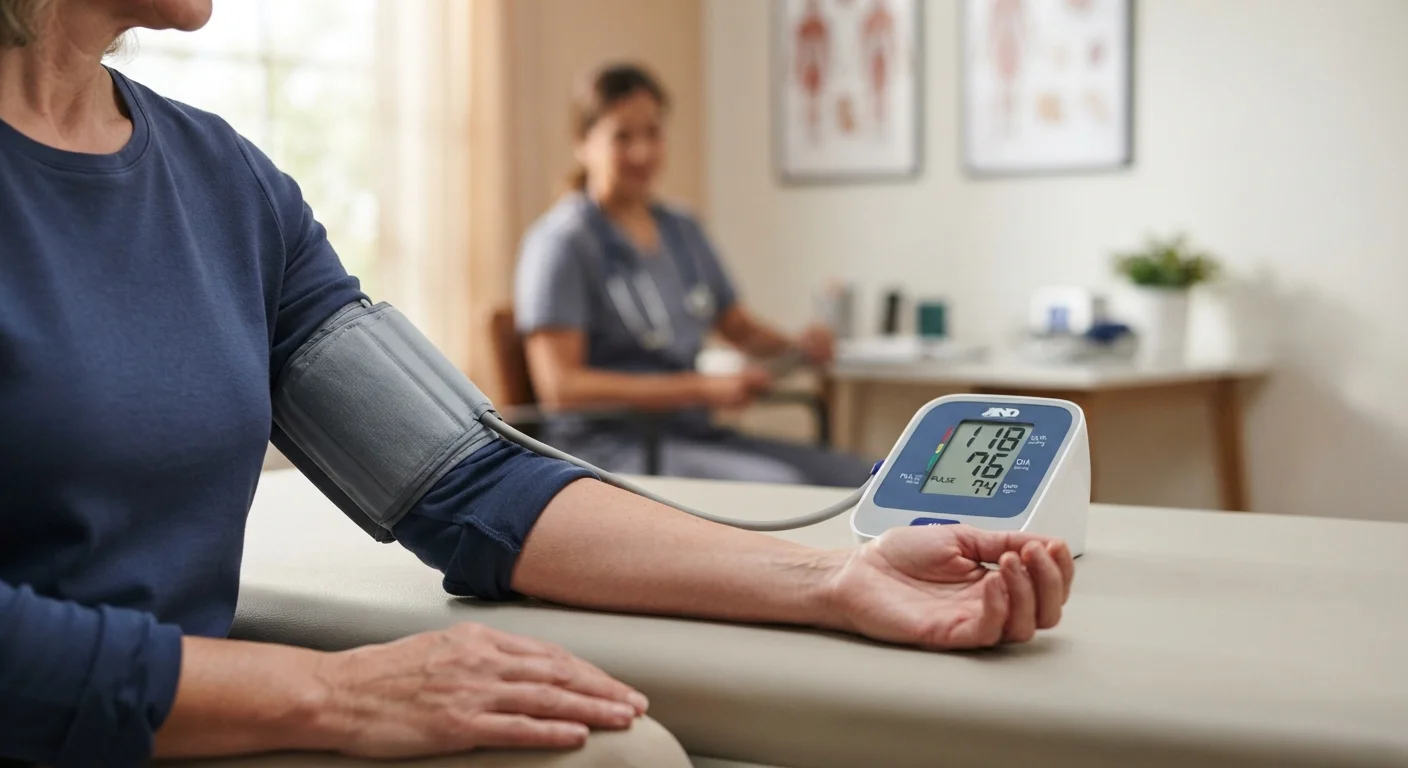
Blood pressure is measured using an inflatable cuff placed around the upper arm, connected to a pressure gauge. The process takes under two minutes and causes no discomfort beyond brief squeezing. Accurate measurement depends on consistent technique: the person should be seated quietly for at least five minutes, feet flat on the floor, arm supported at heart level, and not have consumed caffeine or exercised within the prior 30 minutes.
Several factors can temporarily skew a reading:
- Physical activity shortly before the test
- Stress or anxiety (including anxiety about the test itself)
- Caffeine or certain medications
- An incorrectly sized cuff
- Speaking during measurement
A single reading is informative, but a pattern across multiple occasions — or across different settings using home monitoring — gives clinicians the most reliable picture. This consistency is why your provider may ask you to return for a follow-up reading rather than acting on one elevated result immediately.
For a broader look at how blood pressure screening fits into a complete preventive care plan, see preventive screenings by life stage.
How Blood Pressure Screening Fits Into Your Overall Health Picture
Blood pressure data rarely stands alone in a clinical assessment. Providers routinely pair it with other cardiovascular risk markers — including cholesterol levels and blood glucose — to estimate an individual's overall risk profile. If you've received a lipid panel recently, the results work alongside blood pressure data to help your provider gauge your heart disease risk more precisely. Our companion article on reading your cholesterol panel explains how those numbers interact.
Similarly, because insulin resistance and hypertension frequently occur together, blood pressure screening is often discussed in tandem with diabetes screening. For men navigating decade-specific health priorities, preventive screenings for men by decade offers structured guidance on timing and frequency.
Understanding your numbers in context — rather than reacting to a single data point — is the core principle of effective preventive care. A healthcare provider is best positioned to interpret what your readings mean for your individual situation and history.
This article is for general informational purposes only and does not constitute medical advice. Always consult a qualified healthcare professional for personal health concerns, diagnosis, or treatment decisions.