
Solitude vs. Loneliness: Understanding the Difference When You Need to Recharge

Key Takeaways
- Solitude is chosen and tends to feel restorative; loneliness is unwanted and tends to feel distressing.
- The same amount of time alone can be solitude or loneliness depending on internal experience, not circumstance.
- Chronic loneliness is associated with meaningful health risks; purposeful solitude is linked to wellbeing benefits.
- Recognizing which state you're in is the first step toward using downtime effectively.
- Neither state is permanent — both are shaped by mindset, habit, and social context.
Option A
Solitude
Voluntary, restorative time alone — chosen and replenishing.
Best for: People who need mental decompression, creative reflection, or recovery from social overstimulation.
Option B
Loneliness
The distressing gap between desired and actual connection.
Best for: Understanding — not seeking — this state, so it can be recognized and addressed.
If you feel drained after social events and need quiet time to recover
Solitude
Intentional time alone can restore cognitive and emotional resources depleted by sustained social engagement. Building it into your routine may meaningfully support recovery.
If your alone time consistently feels empty, painful, or unwanted
Loneliness (address it)
This signals a gap in connection that solitude alone won't fill. Low-demand social contact and, when needed, professional support are more effective responses than more time alone.
If you want to improve overall rest and mental recovery
Solitude
Structured, purposeful alone time — paired with other rest practices — can be one component of a broader restorative routine.
If you're unsure whether your alone time is helping or hurting
Solitude (with reflection)
Track how you feel before and after time alone. Consistent relief or renewal points toward solitude; persistent emptiness or sadness may indicate loneliness worth addressing.
Two Faces of Time Alone
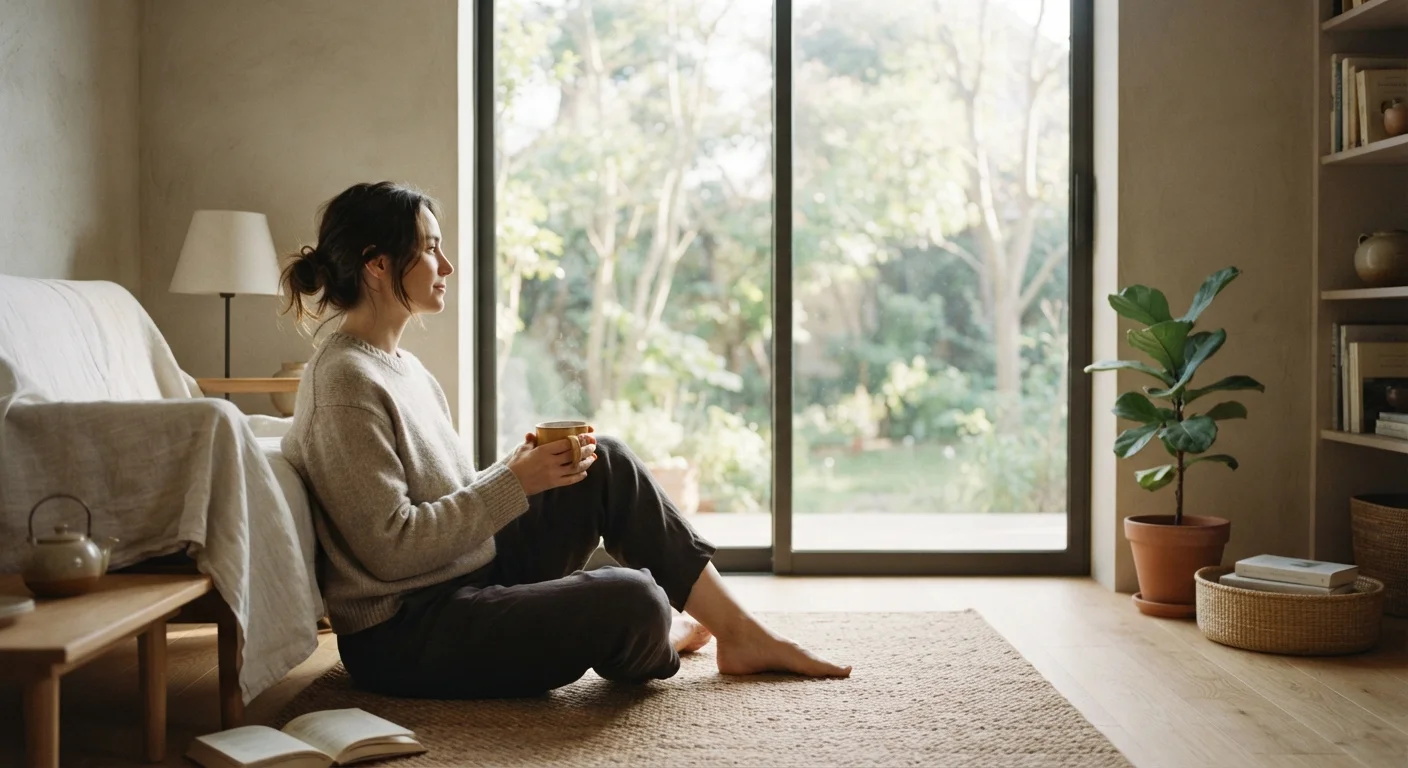
Spend a quiet Saturday morning reading without interruption and you may feel genuinely restored. Spend the same morning wishing someone — anyone — would reach out, and the silence feels crushing. The external situation is identical. The internal experience is worlds apart.
This distinction — between solitude and loneliness — is one of the most practically important in the psychology of rest and recovery. Solitude is largely a chosen state, experienced as peaceful, renewing, or creatively fertile. Loneliness is an unwanted sense of disconnection: the felt gap between the social contact you have and the contact you want.
Research in social psychology and health science consistently treats these as meaningfully different constructs. Solitude has been linked to benefits including improved mood regulation, increased creativity, and a sense of autonomy. Loneliness, by contrast, is associated with elevated stress responses and, in chronic form, with downstream health risks. Understanding which state you are actually in matters — especially when you're trying to use downtime intentionally.
What the Research Actually Shows
| Criterion | Solitude | Loneliness |
|---|---|---|
| Origin | Chosen, voluntary | Unwanted, perceived gap |
| Internal experience | Calm, peaceful, restorative | Distressing, empty, painful |
| Effect on recovery | Often supports rest and renewal | Can impair rest and wellbeing |
| Relationship to connection | Coexists with adequate social life | Reflects unmet social needs |
| Cognitive state | Presence, clarity, reflection | Rumination, restlessness |
| Health associations | Linked to autonomy and mood benefits | Chronic form linked to stress dysregulation |
| Best response | Protect and schedule it intentionally | Seek connection; consider professional support |
Studies on solitude suggest that time alone — when it is chosen and purposeful — can support emotional self-regulation and cognitive recovery. A body of work by researchers including those at the University of Rochester has explored how voluntary solitude, when people feel in control of it, differs substantially in its psychological effects from isolation they did not choose.
Loneliness research paints a different picture. Health scientists have linked chronic loneliness to dysregulation of the stress response system, poorer sleep quality, and elevated inflammatory markers. A frequently cited analysis of existing research suggested that persistent social isolation carries health risks comparable in scale to other well-established risk factors — though it is important to note that causation is difficult to establish in this literature and individual circumstances vary widely.
The critical variable in both cases is perception. You can be surrounded by people and feel profoundly lonely. You can be entirely alone and feel deeply at peace. For the purposes of rest and recovery, this means the quantity of alone time matters far less than its quality and the internal state that accompanies it. See also: social rest and low-demand connection, which explores how certain social interactions — rather than solitude — can themselves be restorative.
Practical Ways to Tell the Difference
Because the two states can look alike from the outside, a few internal questions help clarify which one you're experiencing:
- Did you choose this time alone? Solitude typically feels more restorative when it is entered voluntarily, even briefly. Unchosen isolation tends to shade toward loneliness regardless of duration.
- How do you feel during and after? Solitude often produces a sense of calm, relief, or mental clarity. Loneliness more often produces restlessness, rumination, or a persistent low mood.
- Are your social needs roughly met elsewhere? Meaningful alone time tends to coexist with adequate connection at other points in the week. If your overall social life feels depleted, time alone is unlikely to compensate.
- Are you present in the moment or preoccupied? Solitude supports presence; loneliness often fuels anxious or ruminative thinking that makes rest difficult.
If you frequently experience the latter in each pair, it may be worth examining whether more structured connection — rather than more solo downtime — would better serve your recovery. Why weekends don't always feel restful explores related patterns in how people spend unstructured time.
Building Solitude Into a Busy Life
For those who benefit from solitude, the practical challenge is usually not recognizing its value — it's carving out time for it consistently. Brief, intentional intervals of alone time can function as genuine micro-recovery even in dense schedules. Research on restorative breaks suggests that even short pauses, when uninterrupted, can support focus and mental restoration.
Useful practices tend to share a few features: they are screen-light or screen-free, low-demand, and entered with some intention rather than as default scrolling or background noise. Walking without headphones, sitting quietly with a beverage, or spending a few minutes journaling are examples many people find accessible. For a more structured approach, building a rest routine around a full life offers practical frameworks that don't require large blocks of free time.
When alone time consistently fails to restore — when it leaves you feeling worse rather than better — that is a signal worth taking seriously rather than pushing through. Adjusting the balance between solitude and connection is a reasonable first step. Consulting a mental health professional is appropriate if loneliness feels persistent or significantly affects your mood and daily functioning.
This article is for general informational purposes only and does not constitute medical or mental health advice. If you are experiencing persistent loneliness, low mood, or related concerns, please consult a qualified healthcare or mental health professional.