

Key Takeaways
- Sensory rest means intentionally reducing visual, auditory, and other environmental inputs to allow nervous system recovery.
- Chronic overstimulation — from noise, screens, and notifications — is associated with elevated stress hormones and cognitive fatigue.
- Sensory rest is distinct from sleep and can be practiced in short periods throughout the day.
- Simple strategies like dimming lights, wearing earplugs, or spending time in nature can deliver meaningful relief.
- People with heightened sensory sensitivity may need to prioritize sensory rest more consciously than others.
Sensory Rest
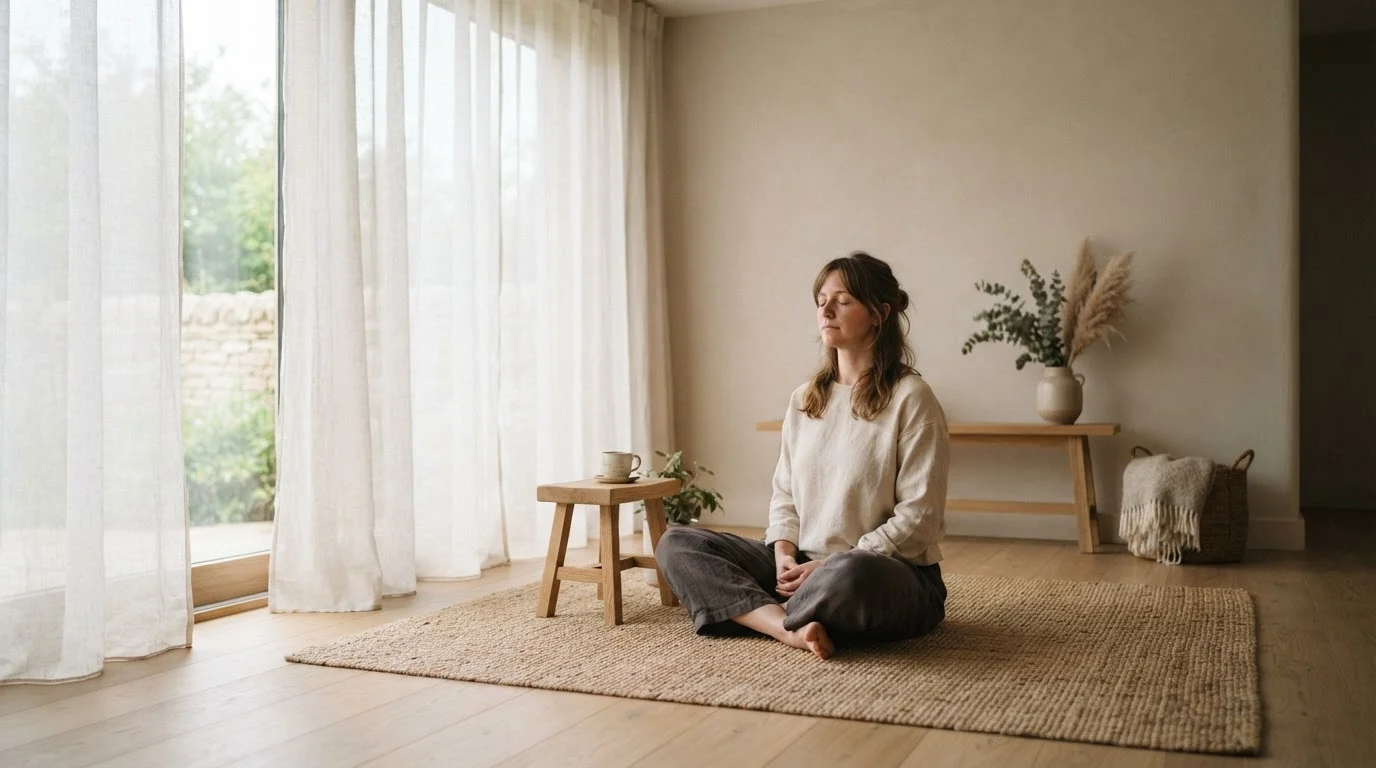
Sensory rest is deliberate relief from the continuous stream of visual, auditory, and tactile inputs that bombard the nervous system throughout daily life. It involves reducing or removing stimulation — noise, screens, bright light, crowds — to allow the brain and body to return to a calmer baseline. Unlike sleep, sensory rest can happen while you are awake; it is an intentional pause from sensory demand rather than unconsciousness.
The concept draws on research into sensory processing load and autonomic nervous system regulation, particularly the role of the parasympathetic branch in counteracting chronic fight-or-flight arousal caused by persistent environmental stimulation.
Why Constant Stimulation Is a Modern Problem
The human nervous system evolved in environments far quieter and less visually complex than a modern American city, open-plan office, or smartphone-saturated household. Today, the average adult is exposed to continuous streams of auditory, visual, and digital input from the moment they wake until they fall asleep — and sometimes through the night via notifications.
This sustained sensory load is not neutral. Research on noise exposure and cognitive performance has found that chronic ambient noise elevates cortisol levels and impairs working memory and attention. Studies on urban environments consistently show higher reported stress and mental fatigue among people with limited access to quiet green spaces. The cumulative effect of these inputs — individually minor, collectively significant — is a nervous system rarely allowed to fully downregulate.
Sensory rest is one response to this reality. As part of a broader understanding of non-sleep rest, it acknowledges that recovery is not limited to what happens when your eyes close at night.
Sensory Sensitivity Varies Considerably
People differ meaningfully in how much sensory input their nervous systems process comfortably before reaching a point of fatigue. Individuals with sensory processing sensitivity, autism spectrum conditions, ADHD, anxiety disorders, or chronic stress may reach that threshold significantly faster than the general population. This variation is physiological, not a character trait, and is worth accounting for when designing your own rest practices.
What Sensory Rest Actually Involves
Sensory rest is not simply doing nothing. It is the deliberate reduction of incoming stimuli across the main sensory channels — primarily sight, sound, and touch — to give the processing centers of the brain a lower-demand interval. This might look very different from person to person.
Common practices include sitting in a darkened, quiet room without audio playing; spending time outdoors in a natural setting away from traffic and crowds; wearing earplugs or noise-canceling headphones in silence rather than to consume more content; or closing your eyes and sitting still for several minutes after a long meeting. The defining feature is intentionality and reduction, not a specific setting or technique.
It is worth distinguishing sensory rest from digital rest, which targets screen-based inputs specifically. Sensory rest encompasses all environmental channels. A walk through a crowded, noisy street with your phone pocketed still qualifies as digital rest — but it is not sensory rest.
The Evidence Supporting Sensory Recovery
The scientific basis for sensory rest draws on several overlapping research areas. Attention Restoration Theory, developed by environmental psychologists Rachel and Stephen Kaplan in the 1980s and subsequently refined, proposes that directed attention — the effortful focus required for modern tasks — depletes over time and that environments with low demand and soft fascination (such as natural landscapes) allow it to recover. Multiple field studies and meta-analyses have found that time in nature is associated with reduced self-reported mental fatigue and improved sustained attention, though study designs vary and effect sizes differ across populations.
Separately, research on sensory deprivation and flotation REST (Restricted Environmental Stimulation Therapy) has demonstrated measurable reductions in anxiety and muscle tension, and improvements in sleep quality in some participants, though this remains an area of ongoing investigation rather than settled consensus.
What the evidence consistently supports is that the brain's default mode network — active during quiet, low-stimulation states — plays an important role in memory consolidation, self-referential processing, and creative thinking. Allowing that network adequate activation time, which sensory rest facilitates, appears to support overall cognitive function.
65 dB
Average noise level linked to elevated cortisol
Research published in environmental health literature suggests that chronic exposure to ambient noise above approximately 65 decibels — common in many urban and open-office settings — is associated with measurable stress hormone elevation.
20 min
Nature exposure linked to cortisol reduction
A 2019 study published in Frontiers in Psychology found that spending as little as 20 minutes in a nature setting — sitting or walking — produced significant reductions in salivary cortisol levels among participants.
4–6 hrs
Average daily screen exposure outside of work
Surveys from Pew Research and related consumer research organizations consistently find American adults spend several additional hours on personal screen use beyond occupational requirements, adding substantially to daily sensory load.
When to Prioritize Sensory Rest and How to Start
Recognizing your own signals is the practical starting point. Heightened irritability in noisy settings, difficulty sustaining focus, a sensation of mental 'buzzing' after long screen sessions, and needing significant time alone after ordinary social interaction are all plausible indicators of accumulated sensory load. These are not diagnostic criteria, but they are useful self-monitoring cues.
Incorporating sensory rest does not require large blocks of time. Even brief, intentional pauses — sitting quietly for five minutes after a commute, taking a short walk in a low-traffic area at lunch, or dimming overhead lights during an afternoon slump — can support nervous system regulation across the day. This aligns with what research on restorative micro-rest suggests about the cumulative value of shorter recovery intervals.
Building these moments into predictable daily structure can also complement other small stress-management habits that quietly reduce physiological arousal over time. If you find that social situations are a primary driver of your sensory fatigue, it may also be worth exploring social rest as a related concept with its own distinct considerations.
People with chronic conditions, sensory processing differences, or significant anxiety should consult a qualified healthcare professional rather than relying on general wellness approaches alone.
This article is for general informational and educational purposes only and is not a substitute for professional medical advice, diagnosis, or treatment. Always consult a qualified healthcare provider with questions about your health.