

Body & Longevity Editorial Team

Aging Well: A Whole-Person Checklist for Your 40s, 50s, and Beyond
From cardiovascular screenings to muscle-building habits and sleep hygiene, this checklist…
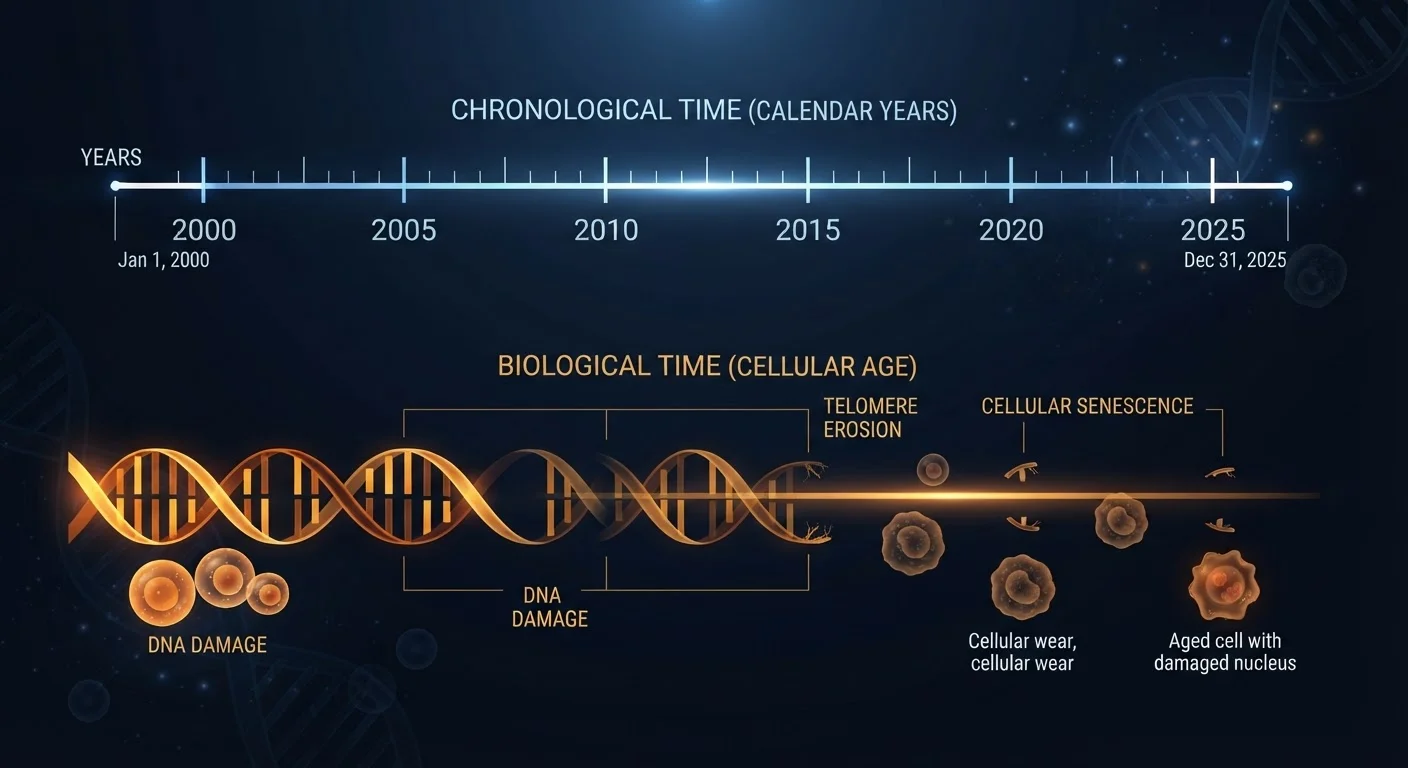
Biological Age vs. Chronological Age: How Researchers Try to Measure the Difference
Your birth year and your body's true aging pace aren't always the same. Learn how scientis…

Blue Zones Under the Microscope: Separating Lifestyle Lessons From the Hype
Blue Zone communities are famous for longevity. Here's what independent researchers say th…

Caloric Restriction, Intermittent Fasting, and Longevity: What the Evidence Compares
Both caloric restriction and intermittent fasting are studied for anti-aging effects. See …

Cognitive Aging Myths That Keep Getting Repeated
From "you lose thousands of neurons daily" to "mental decline is inevitable," many beliefs…
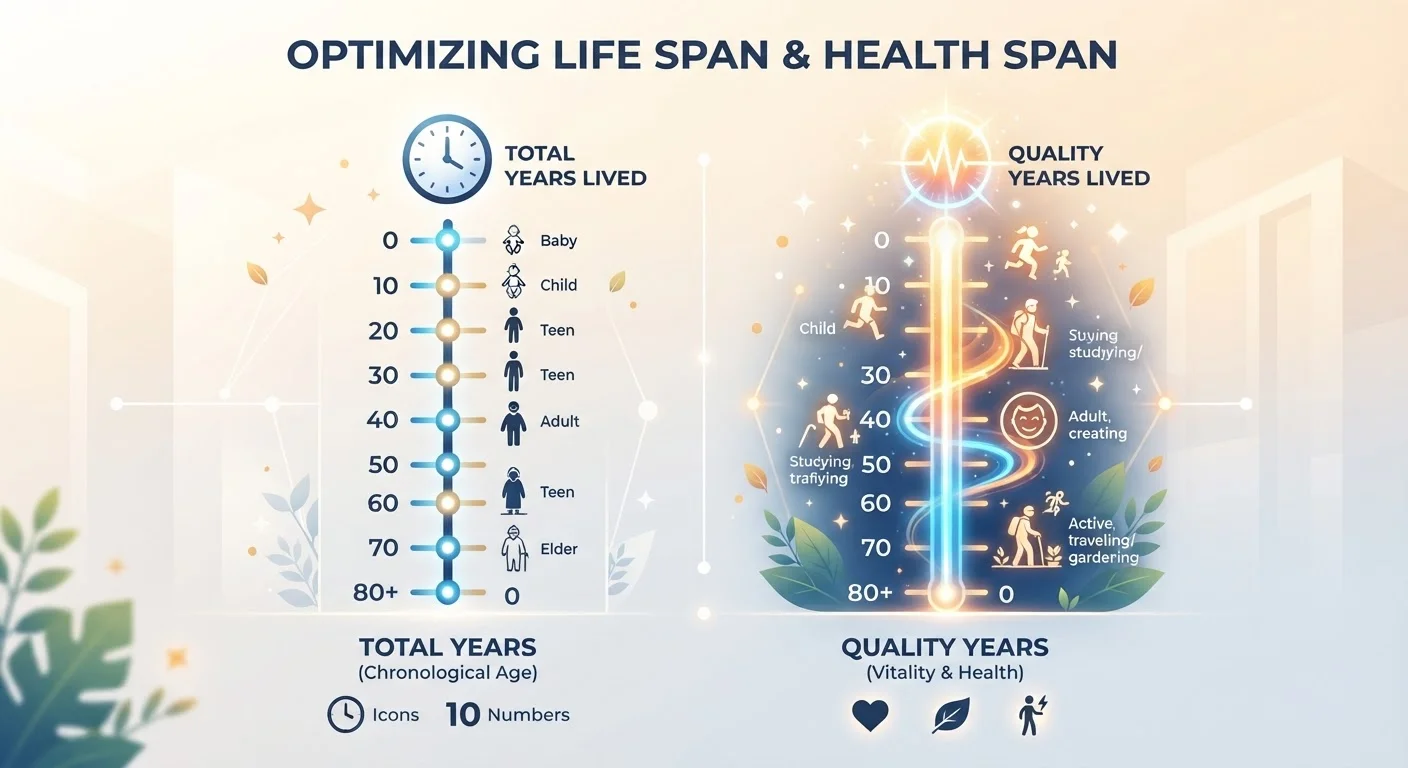
Healthspan vs. Lifespan: Why the Years You Feel Well Matter More Than Total Years Lived
Lifespan counts birthdays; healthspan counts quality years. Understand the distinction and…

Longevity Science From the Ground Up: A Plain-Language Introduction
New to the science of aging? This guide breaks down the core concepts, leading research ar…
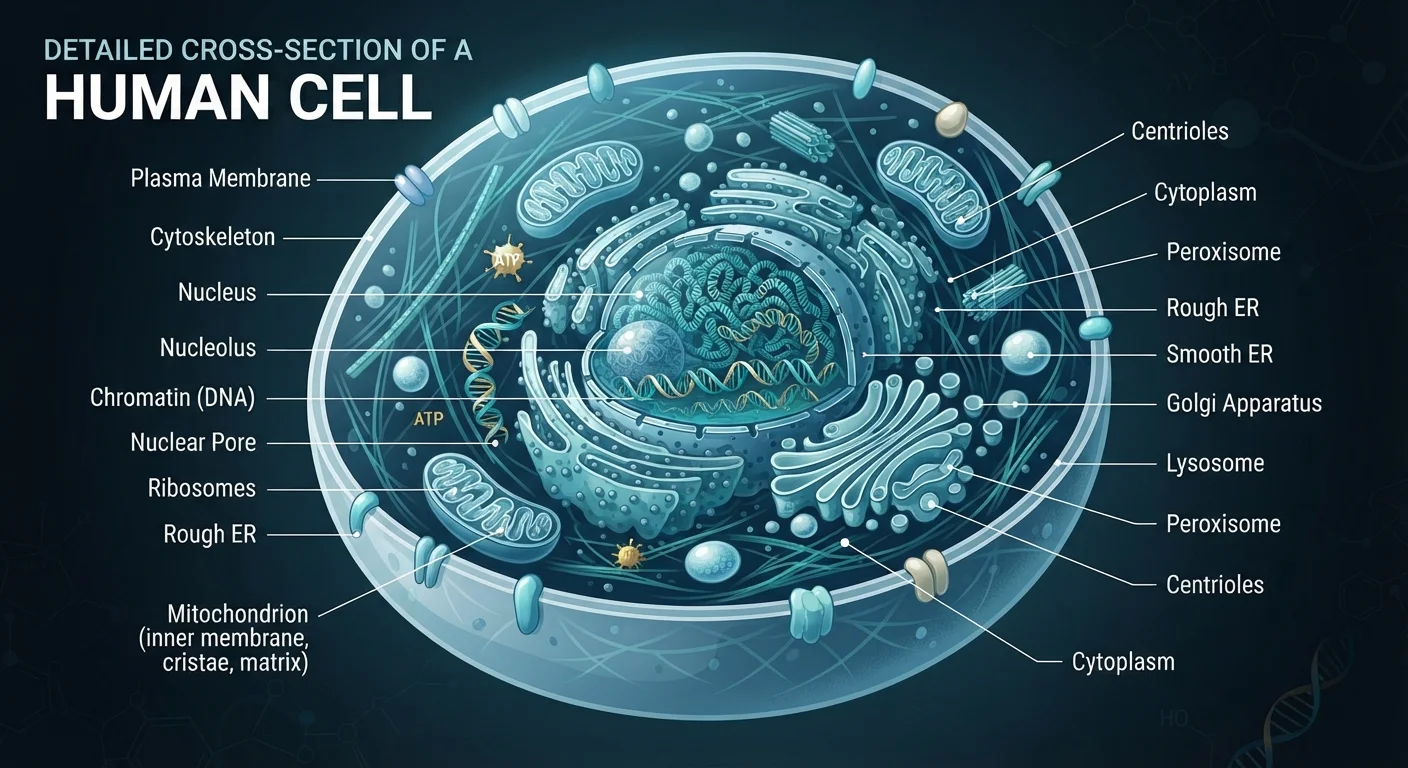
Nine Hallmarks of Aging: A Reference Guide to the Science
Researchers have identified key biological hallmarks that drive aging. This reference brea…

Sleep and Longevity: The Underrated Factor in Healthy Aging
Poor sleep is linked to accelerated biological aging. Explore what research says about sle…

Social Connection as a Longevity Factor: What Isolation Does to the Aging Body
Research consistently links social isolation to worse health outcomes in older adults. Exp…
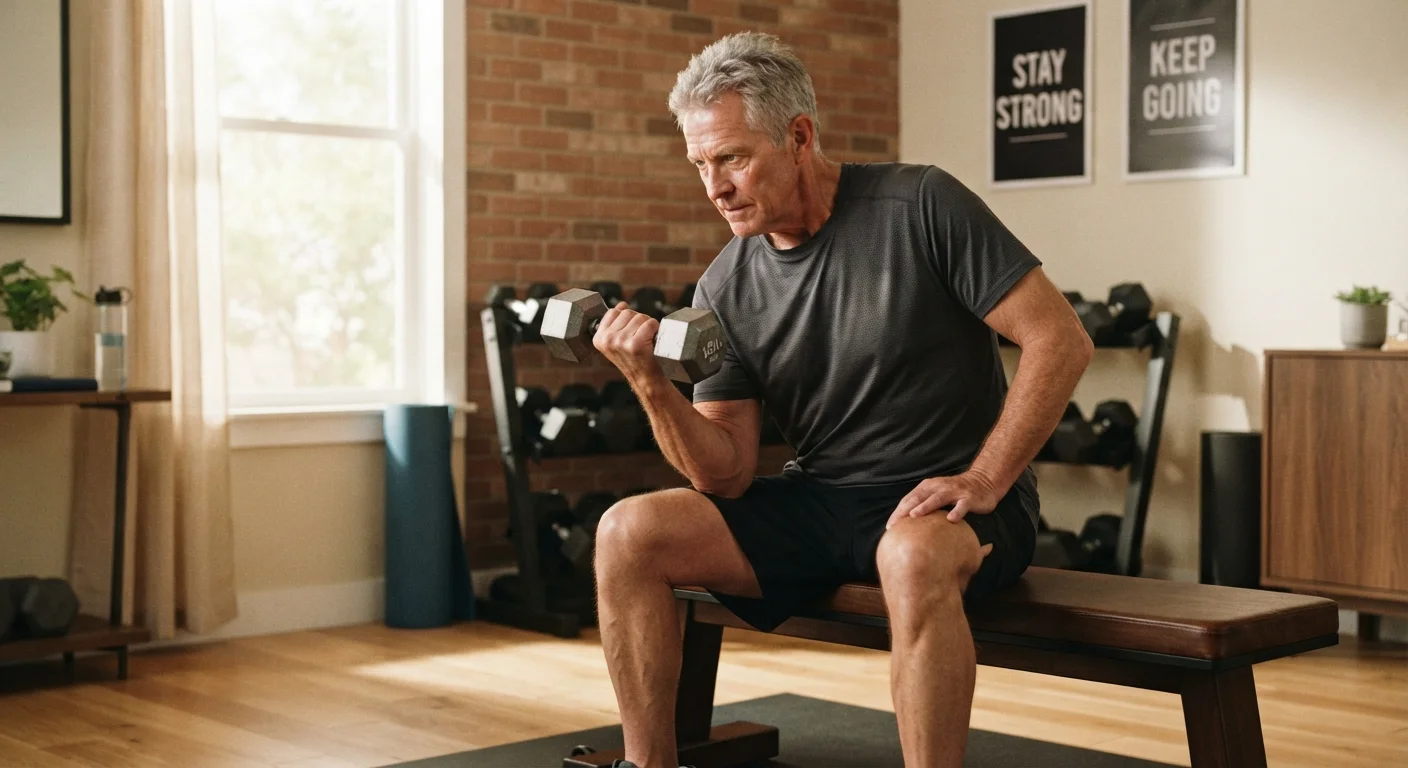
Strength Training After 50: What Changes, What Stays Possible, and How to Adapt
Muscle loss accelerates in midlife, but resistance training remains effective at any age. …
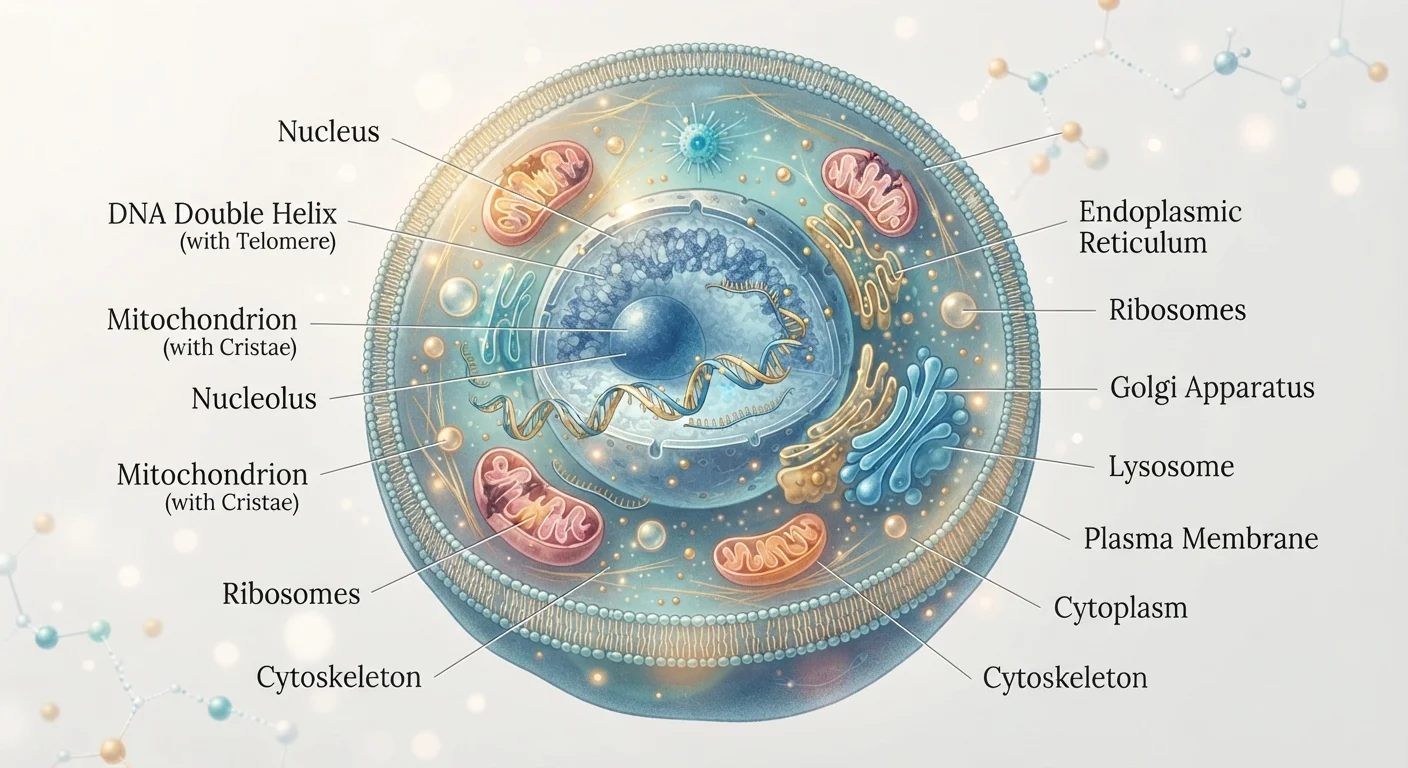
The Biology of Aging: What Actually Happens Inside Your Cells Over Time
From telomere shortening to cellular senescence, explore the key biological processes that…
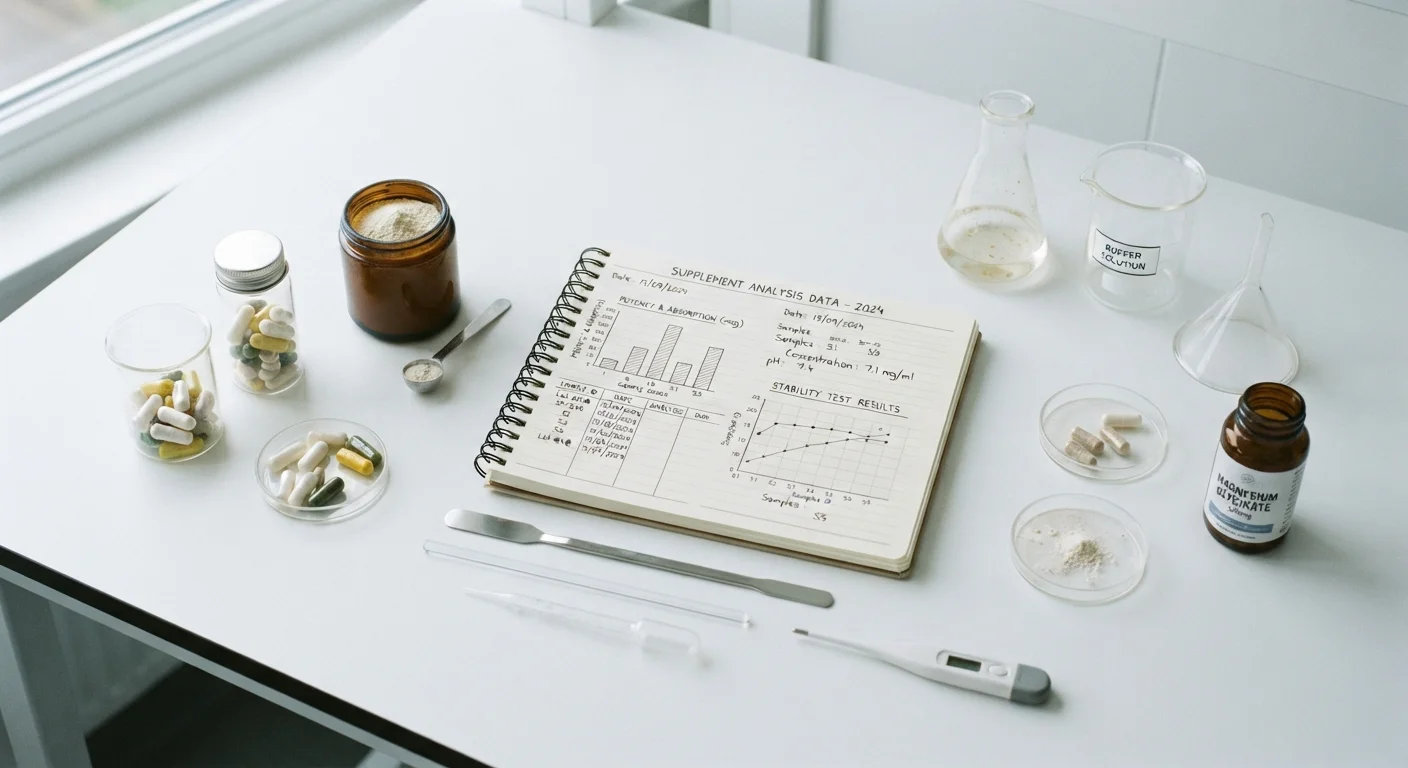
The Longevity Supplement Question: What Science Supports, What It Doesn't
NMN, resveratrol, rapamycin — longevity supplements get a lot of attention. Here's an hone…

What the Research Actually Says About Exercise and Healthy Aging
Decades of studies link physical activity to longer healthspan. Here's what the evidence s…

Why Chronic Inflammation Accelerates Aging - and What Drives It
Inflammaging — the low-grade chronic inflammation linked to aging — is a growing focus of …
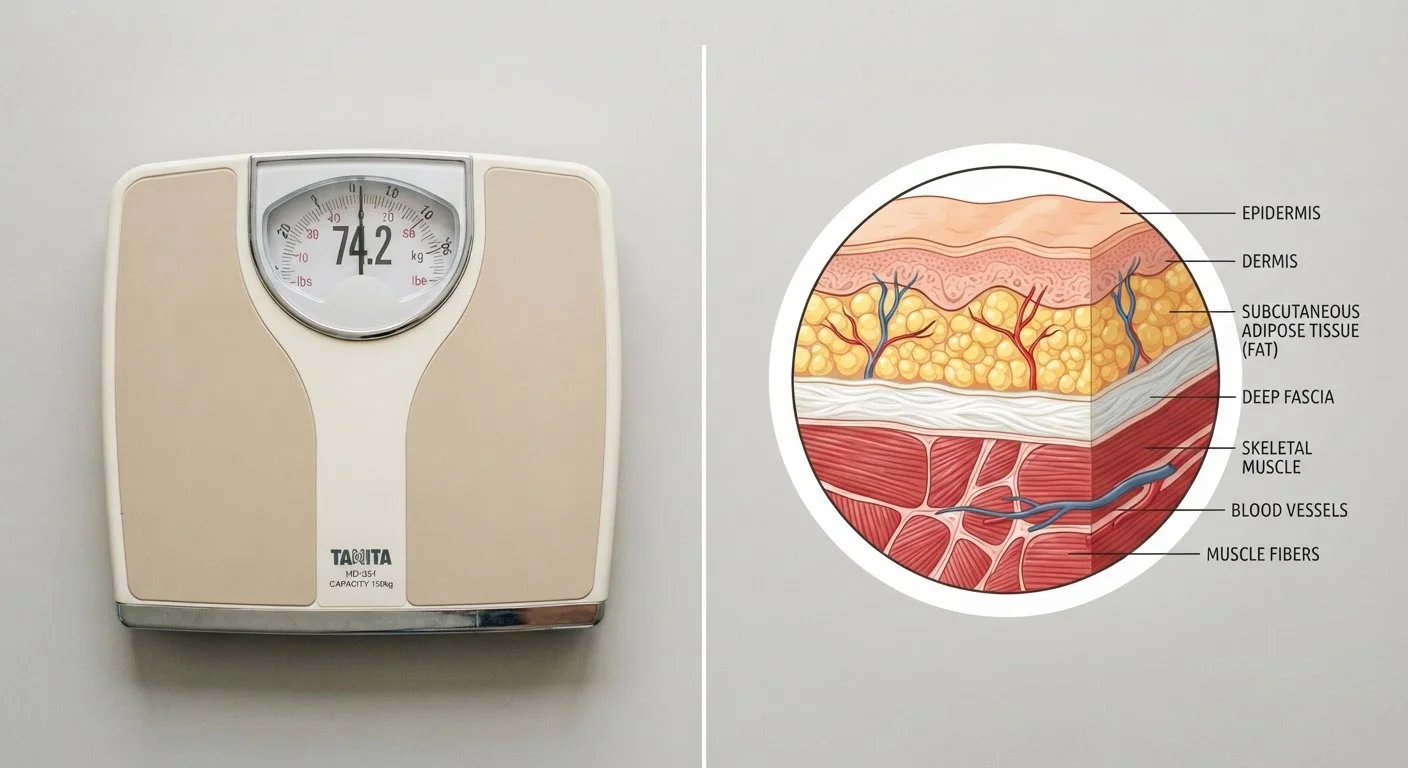
Body Composition Explained: Why the Scale Doesn't Tell the Whole Story
Learn what body composition actually means, how it differs from body weight, and why muscl…
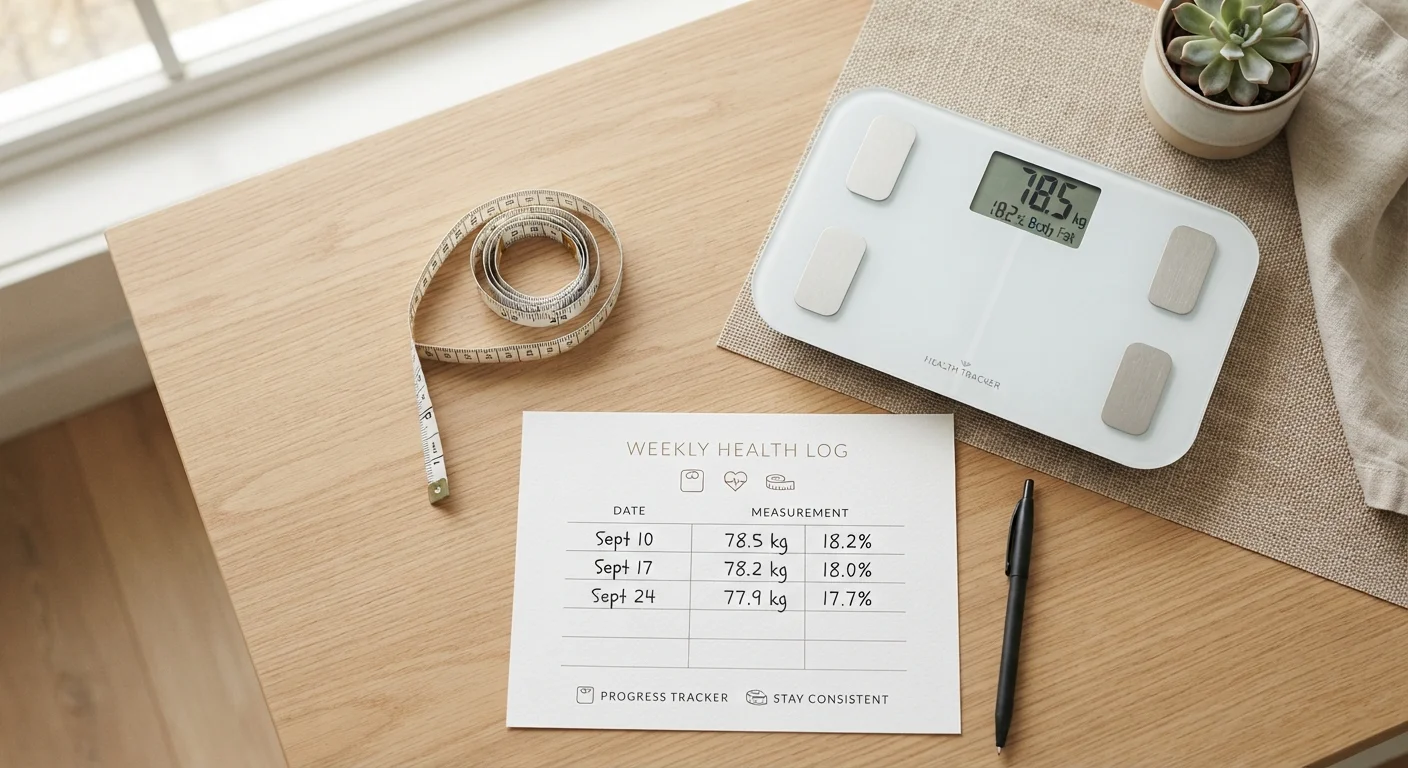
Body Fat Percentage vs. BMI: Which One Actually Reflects Your Health?
BMI and body fat percentage measure very different things. Here's what each metric capture…
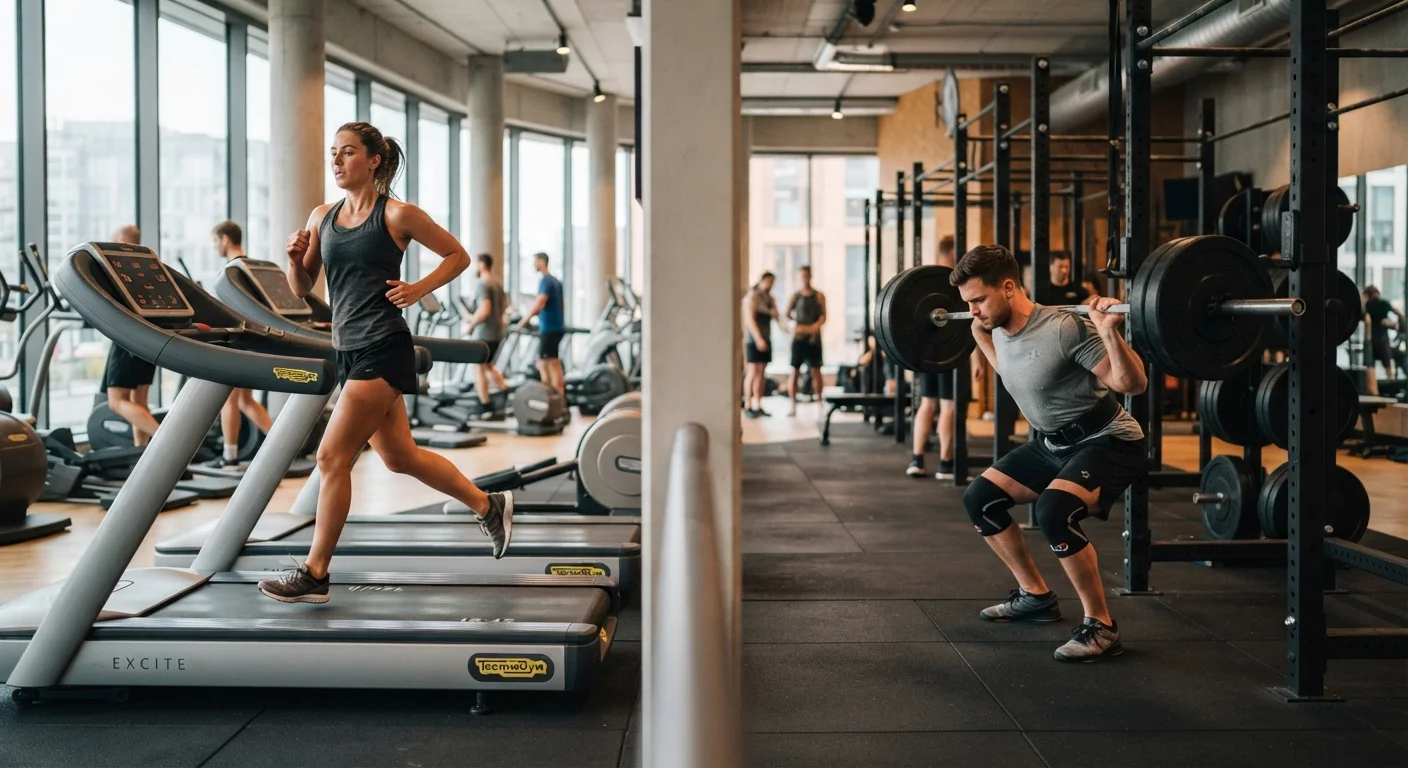
Cardio vs. Resistance Training for Body Composition Goals
Cardio and resistance training each affect body composition differently. Here's how both m…
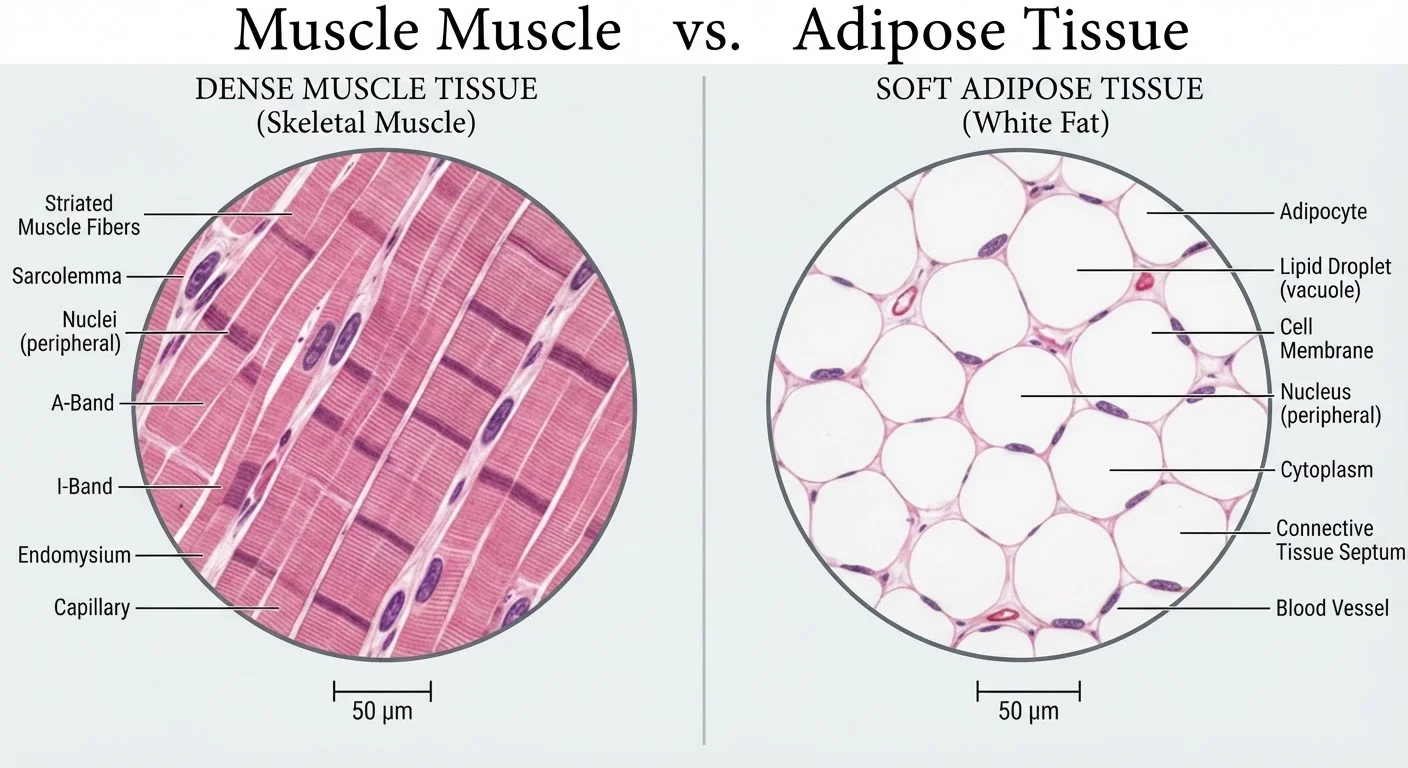
Clearing Up the Biggest Misconceptions About Muscle and Fat
Does muscle weigh more than fat? Can you spot-reduce? Fact-checking the most persistent my…

Interpreting Your Body Composition Results Without Spiraling
Getting a DEXA scan or InBody reading? Here's how to understand your numbers in context, a…
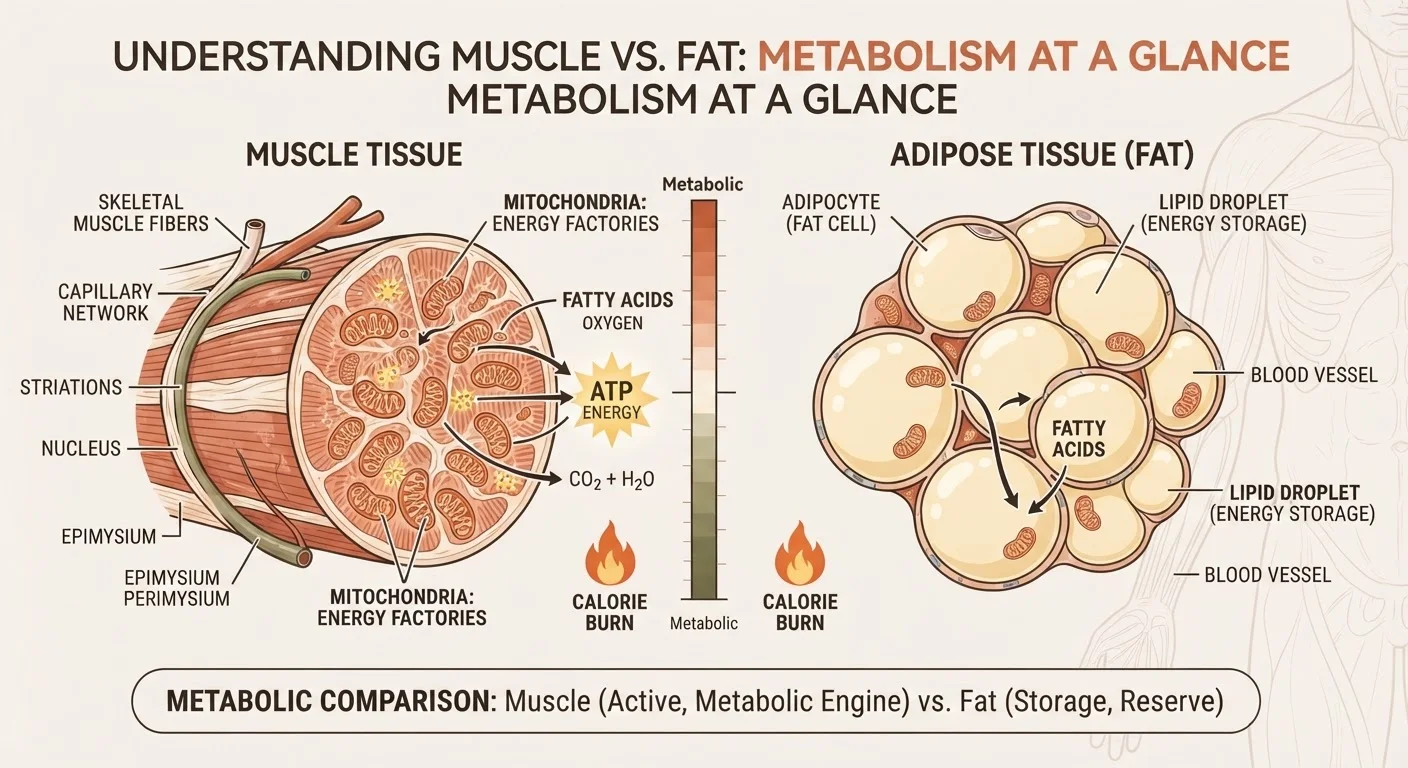
Muscle Mass, Body Fat, and Metabolic Rate: How They're Connected
Understand the relationship between lean muscle, stored fat, and your metabolism—and what …

Protein, Carbohydrates, and Fat: How Macronutrients Influence Body Composition
Learn how the balance of protein, carbs, and dietary fat affects lean mass and fat storage…

Sleep, Stress, and Hormones: The Overlooked Drivers of Body Composition
Exercise and nutrition aren't the only factors shaping your body. Discover how sleep quali…
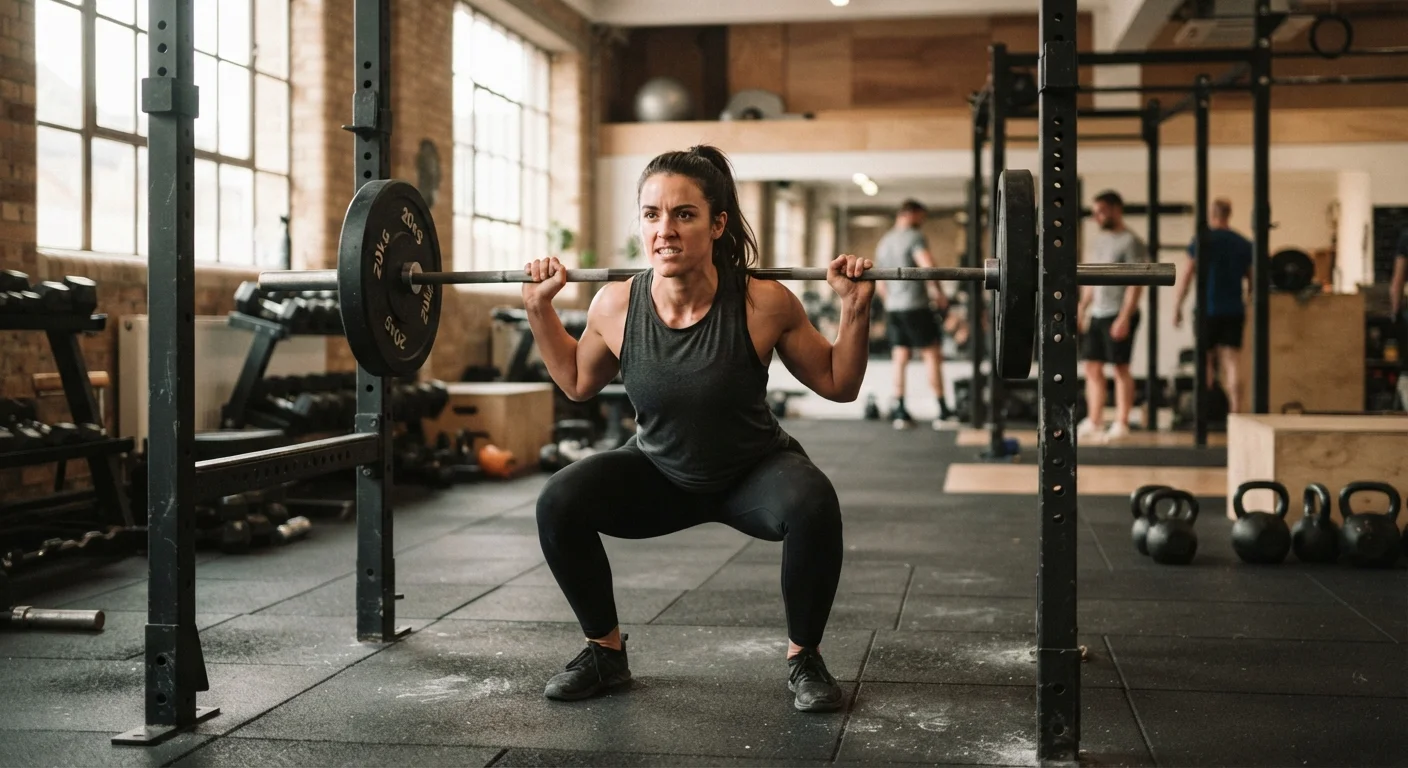
Strength Training and Body Composition: What Actually Changes
Resistance training does more than build muscle. Explore how it reshapes body composition …
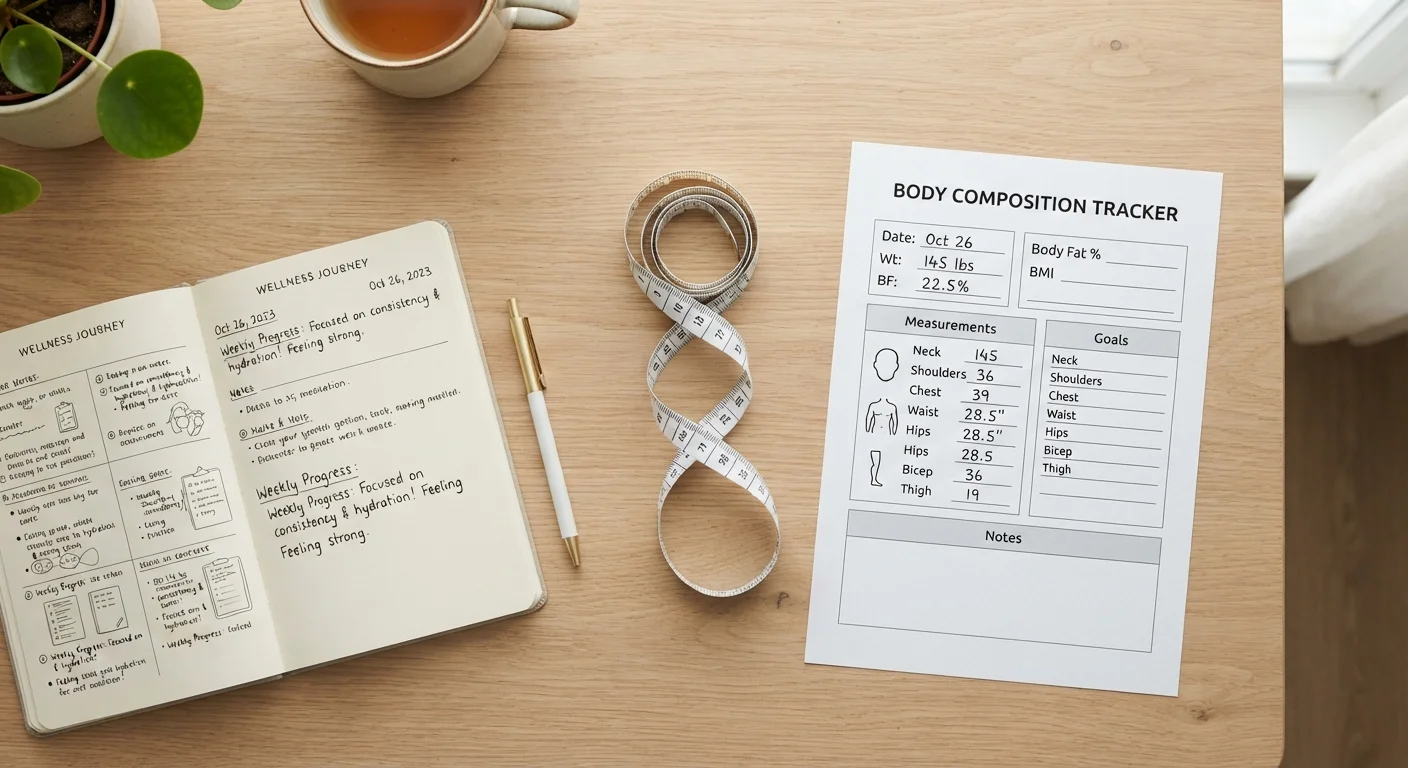
Tracking Body Composition Over Time: What to Measure and How Often
Consistent tracking reveals more than single snapshots. Use this guide to choose reliable …

Understanding Body Composition for People New to Fitness
New to tracking your health? This beginner's overview covers what body composition is, why…
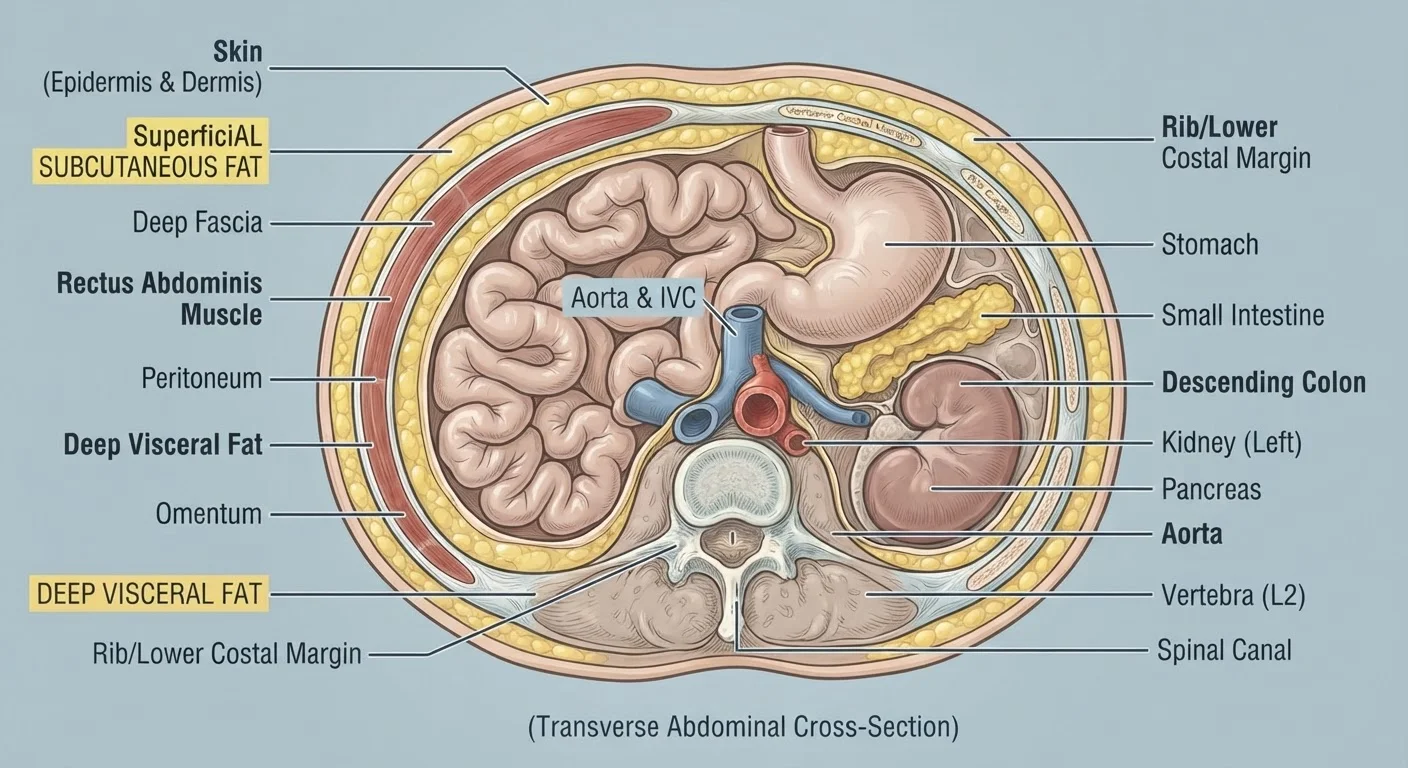
Visceral Fat vs. Subcutaneous Fat: Understanding the Difference
Not all body fat behaves the same way. Discover the key differences between visceral and s…
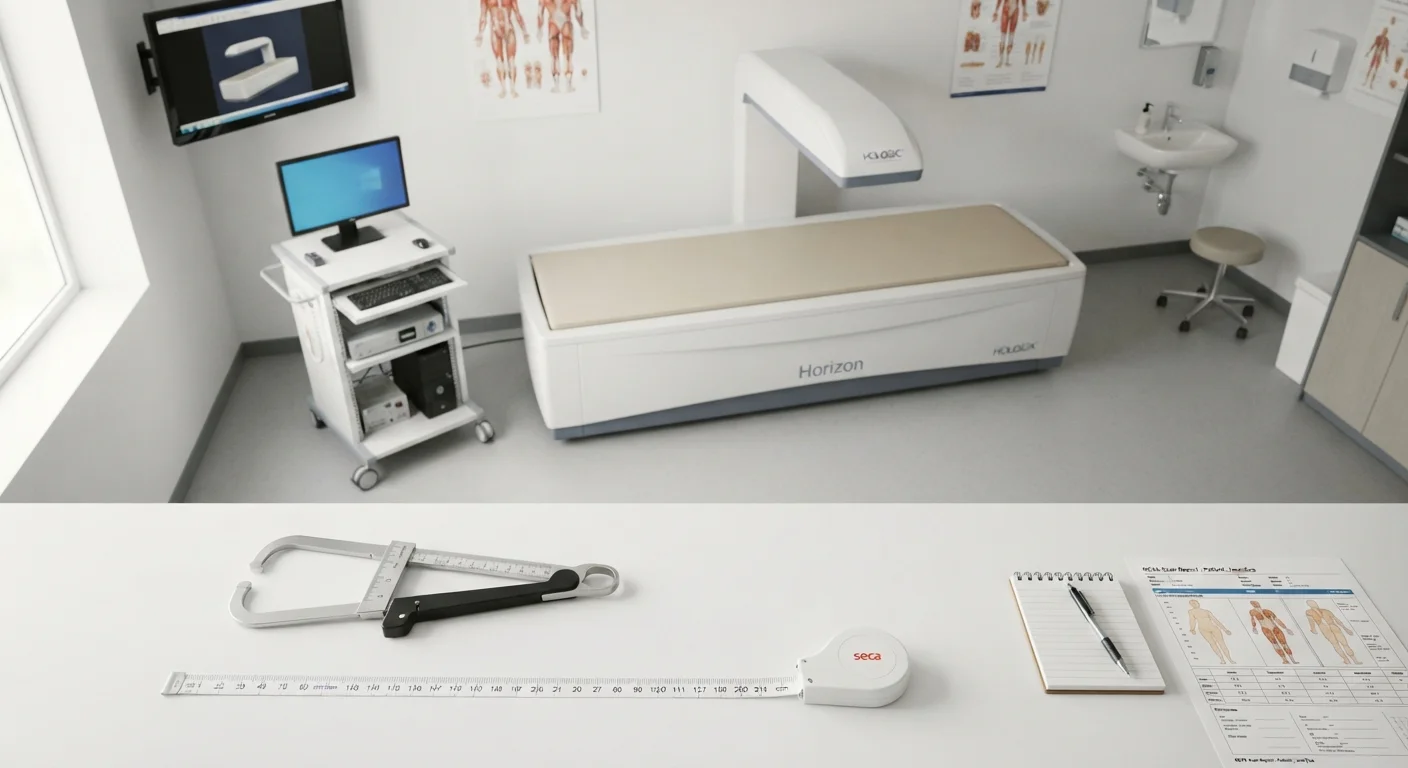
Ways to Measure Body Composition at Home and in a Clinic
From skinfold calipers to DEXA scans, explore the most common body composition measurement…
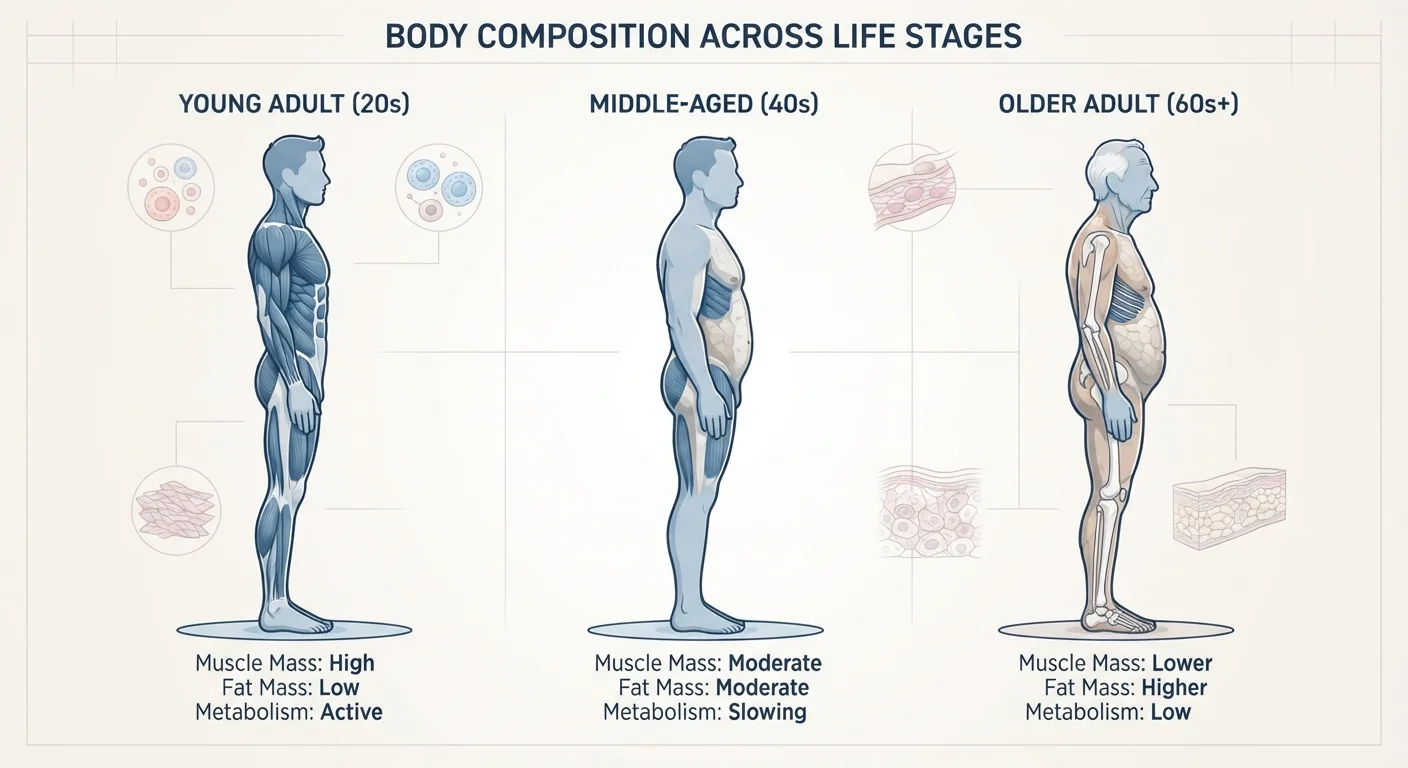
What Body Composition Shifts Look Like Across a Lifetime
Body composition changes naturally with age. Here's what the research shows about muscle l…

Why Body Composition Goals Often Stall-and How to Honestly Reassess
Progress plateaus are common and rarely simple to diagnose. Explore the most frequent reas…

Active Recovery vs. Complete Rest: Choosing the Right Approach
Light movement or total stillness after intense exercise? Understand the trade-offs of act…

Building a Weekly Recovery Routine Around Your Training Schedule
A practical framework for weaving rest days, mobility work, and sleep hygiene into a weekl…

Cold Therapy and Heat Therapy: How Each Affects Post-Exercise Recovery
Ice baths or a heating pad? This side-by-side breakdown explains what cold and heat each d…
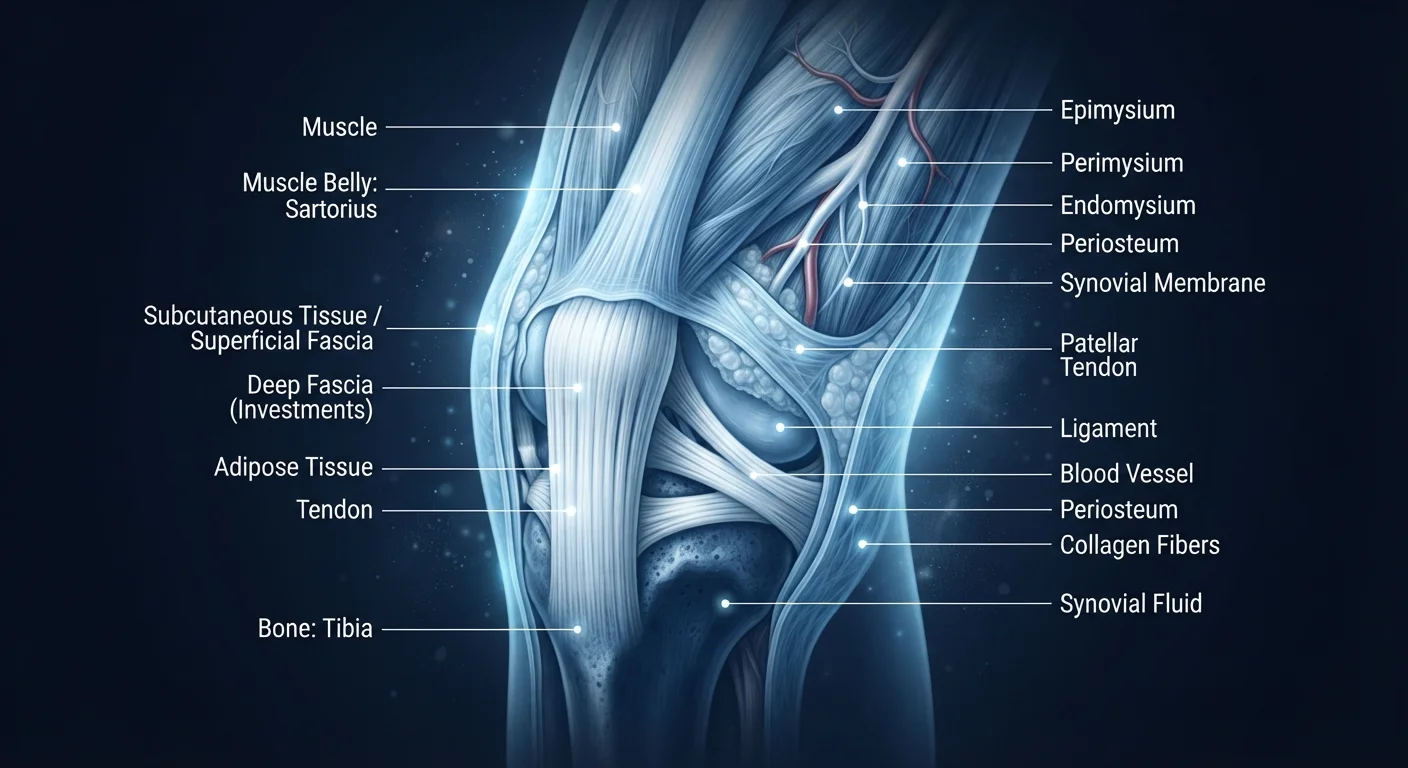
Fascia, Tendons, and Ligaments: The Slower-Healing Tissues Explained
Muscles recover faster than connective tissue — yet most recovery advice focuses only on m…
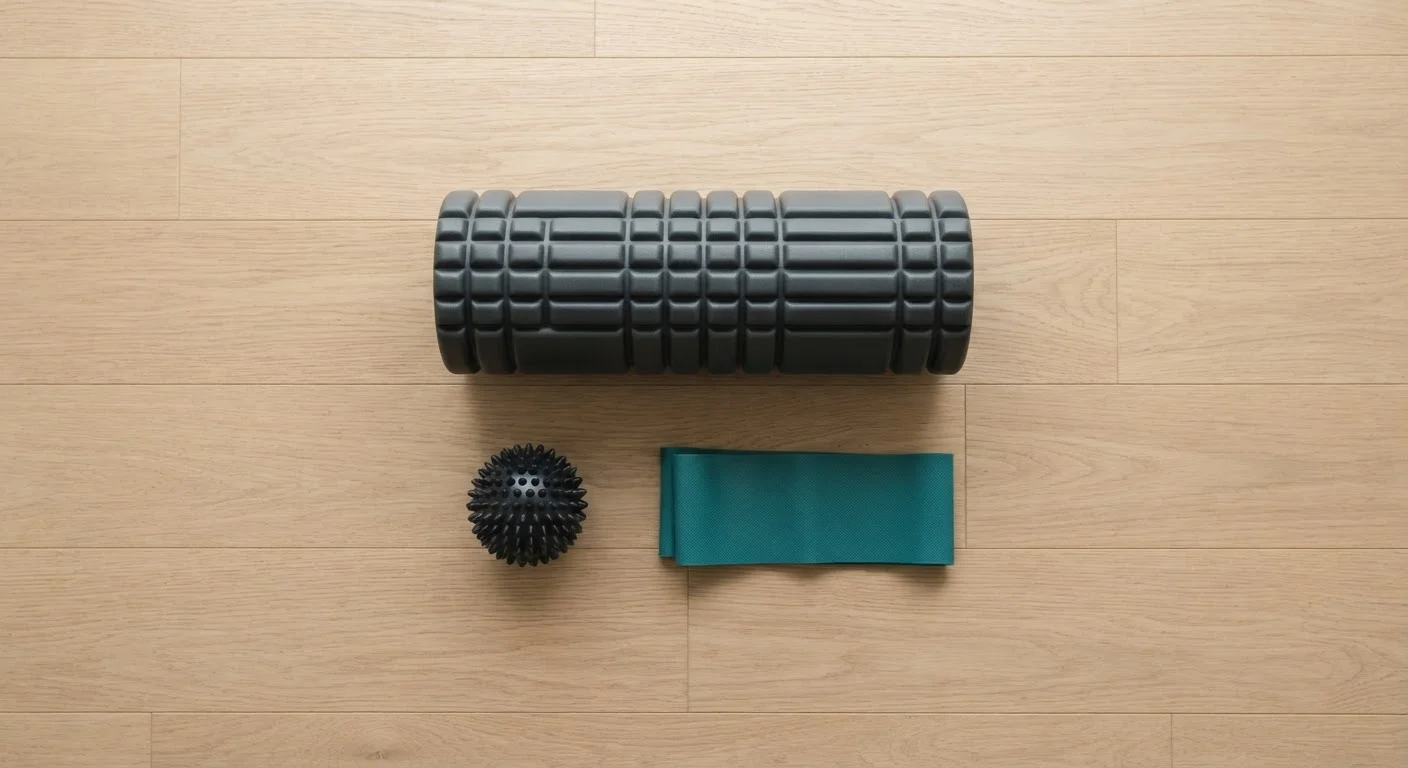
Foam Rolling, Stretching, and Massage: What Each Does for Recovery
Three popular recovery tools — each with different mechanisms and evidence bases. A ground…

Nutrition Timing and Recovery: What to Eat After Exercise and Why
Post-exercise nutrition affects how well your body repairs itself. Understand the general …

Pushing Through Soreness: When It's Fine and When It's a Warning
Not all post-exercise discomfort is the same. This guide helps you distinguish normal dela…

Recovery Habits That Are Easy to Overlook But Matter Over Time
Hydration, breathing patterns, stress management, and sleep consistency quietly shape how …

Recovery Myths That Many Fitness Enthusiasts Still Believe
From 'no pain no gain' to post-workout protein windows — separating well-worn recovery myt…

Signs Your Body Needs More Recovery Time Than You're Giving It
Persistent soreness, disrupted sleep, and mood dips can all signal an under-recovered body…

Sleep's Role in Physical Recovery: What the Science Says
Deep sleep isn't just rest — it's when your body does its most critical repair work. Here'…

The Body's Inflammation Response: When It Helps and When It Hinders
Inflammation after exercise is a normal healing signal — but chronic inflammation is a dif…

Understanding Overtraining Syndrome: When More Exercise Becomes Harmful
Overtraining syndrome is more than just fatigue — it's a physiological state with real con…

What Actually Happens to Your Muscles After a Hard Workout
Explore the biological process of muscle repair after exercise — from micro-tears to prote…

Why Your Recovery Feels Slower as You Age - and What Influences It
Biological shifts in protein synthesis, hormones, and sleep quality all affect how quickly…