

Fitness & Movement Editorial Team

Aerobic vs. Anaerobic Exercise: What Changes at the Threshold
Two energy systems, two very different demands. Understand the distinction between aerobic…
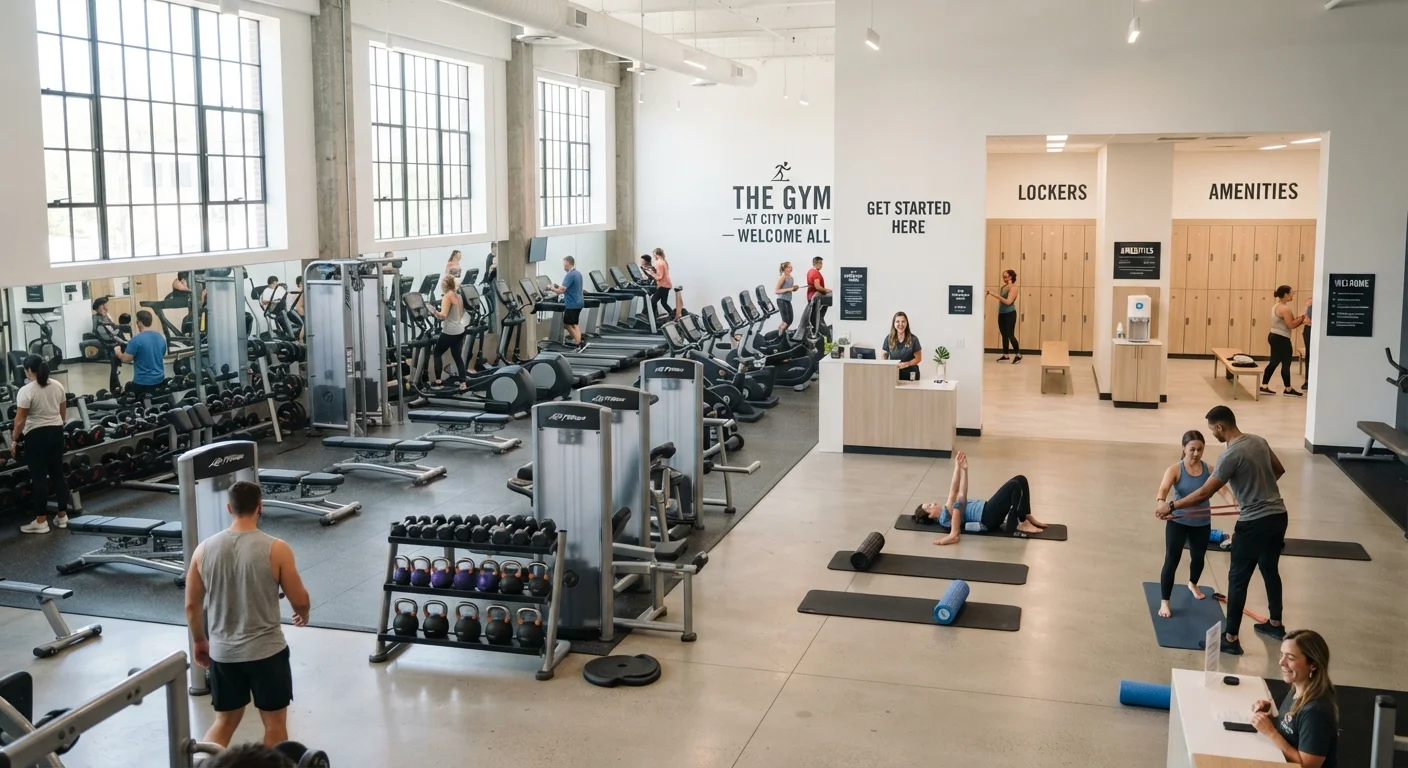
Before Your First Gym Session: A Practical Readiness Checklist
From what to bring and how to dress to understanding equipment etiquette — everything wort…
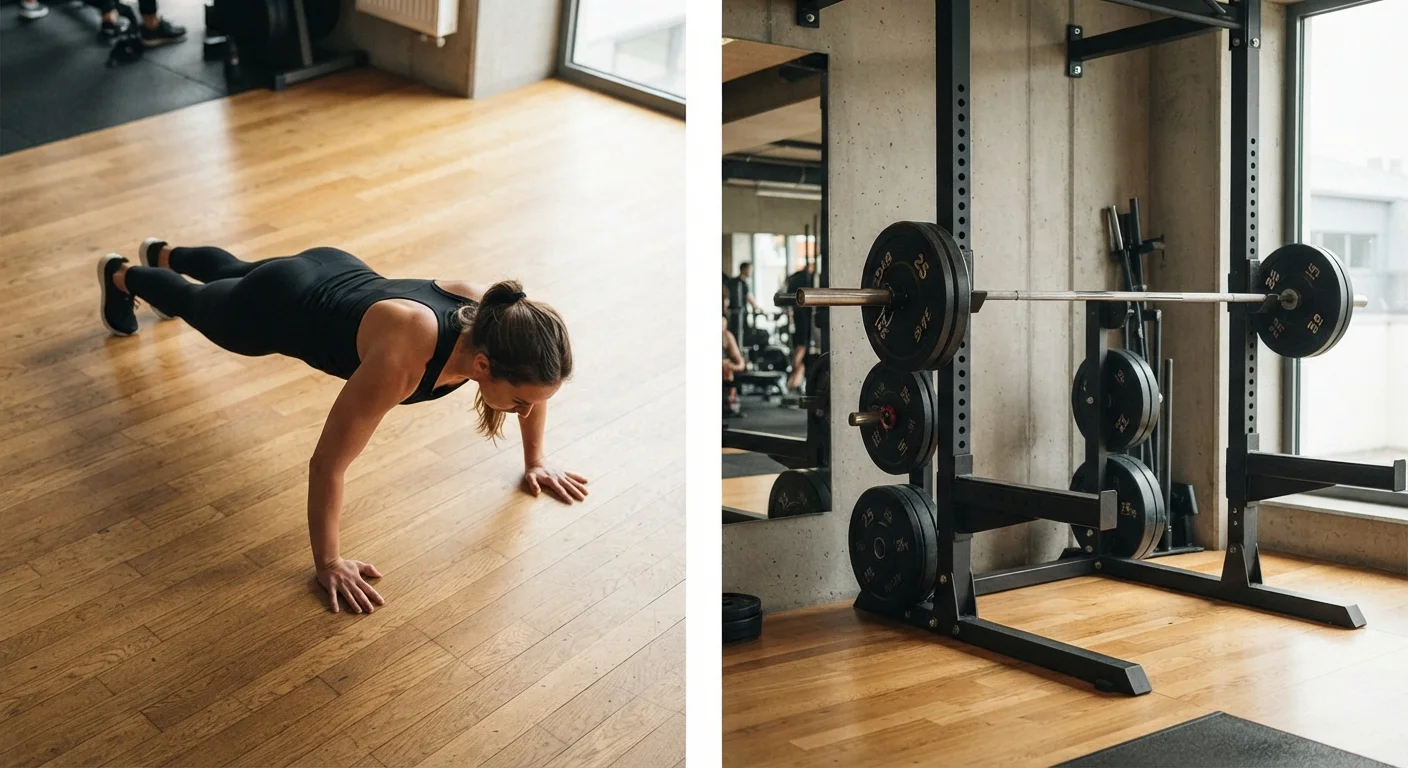
Bodyweight Training vs. Free Weights: Understanding the Real Differences
Side-by-side look at bodyweight and free-weight exercise — covering resistance progression…

Building a Workout Schedule That Fits Real Life
Frequency, session length, and recovery — how to design a weekly exercise plan that's ambi…

Cardio and Strength Training in the Same Week: How to Structure Both
Learn how to balance cardiovascular exercise and resistance training so neither goal under…

Common Beliefs About Exercise That the Science Doesn't Support
From 'no pain, no gain' to spot reduction — separating popular fitness myths from what res…

Form Before Load: Why Technique Matters More Than the Weight on the Bar
Poor form is one of the most common reasons beginners stall or get hurt. Here's why moveme…

How Hard Should You Actually Be Working? Understanding Exercise Intensity
Heart rate zones, RPE, and the talk test explained — practical tools for gauging whether y…

Progressive Overload Explained: The Principle Behind Every Effective Workout
Progressive overload is the engine of physical adaptation. Here's what it means, how it wo…
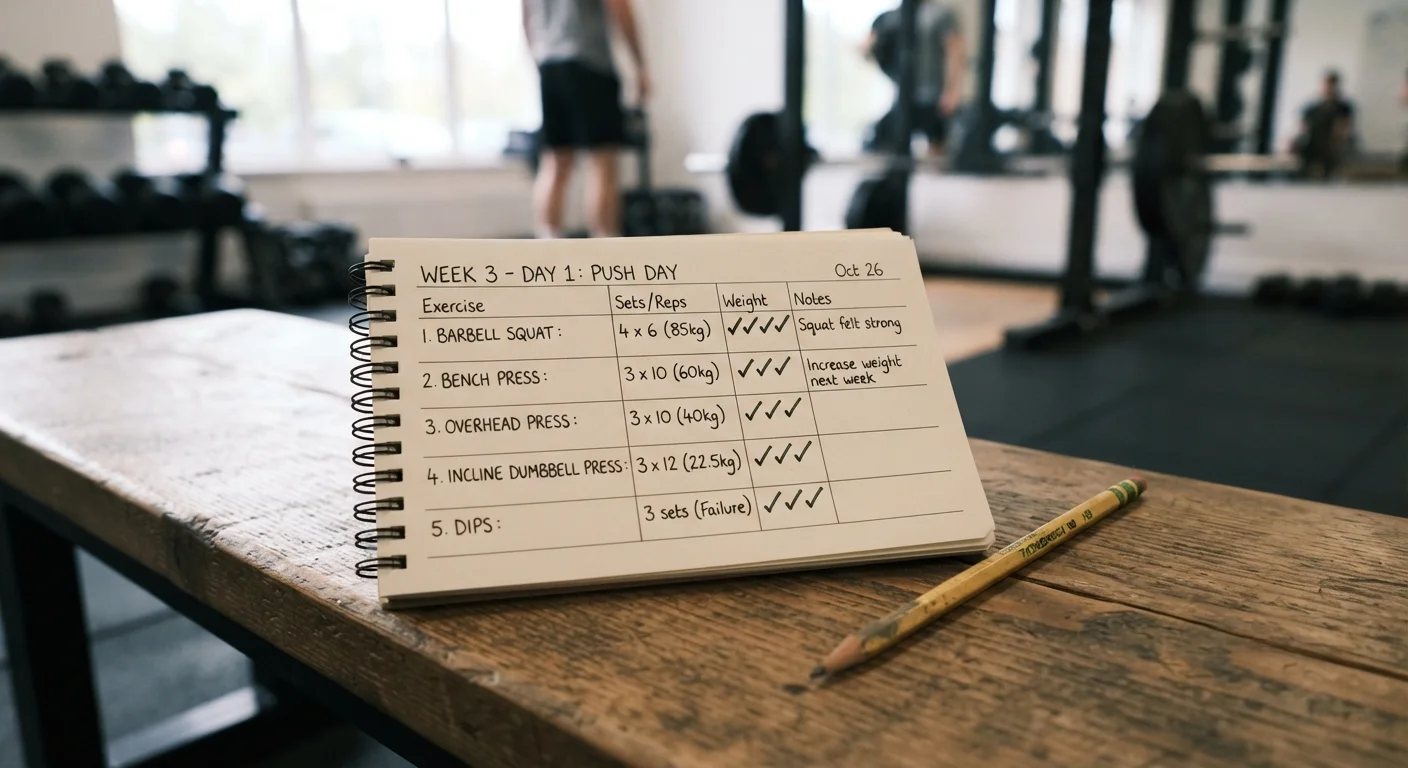
Reps, Sets, and Rest Periods: What the Numbers on Your Workout Plan Actually Mean
Confused by 3x10 or 4x6? This plain-language reference breaks down exercise notation so yo…

Rest Days Aren't Laziness - The Role of Recovery in Getting Fitter
Adaptation happens during rest, not during the workout itself. Learn what recovery actuall…

Starting a Workout Routine From Absolute Zero
A ground-up guide to building your first exercise habit — covering frequency, intensity, a…

Stretching After Exercise: Static vs. Dynamic and When Each Belongs
Not all stretching serves the same purpose. Learn the difference between static and dynami…
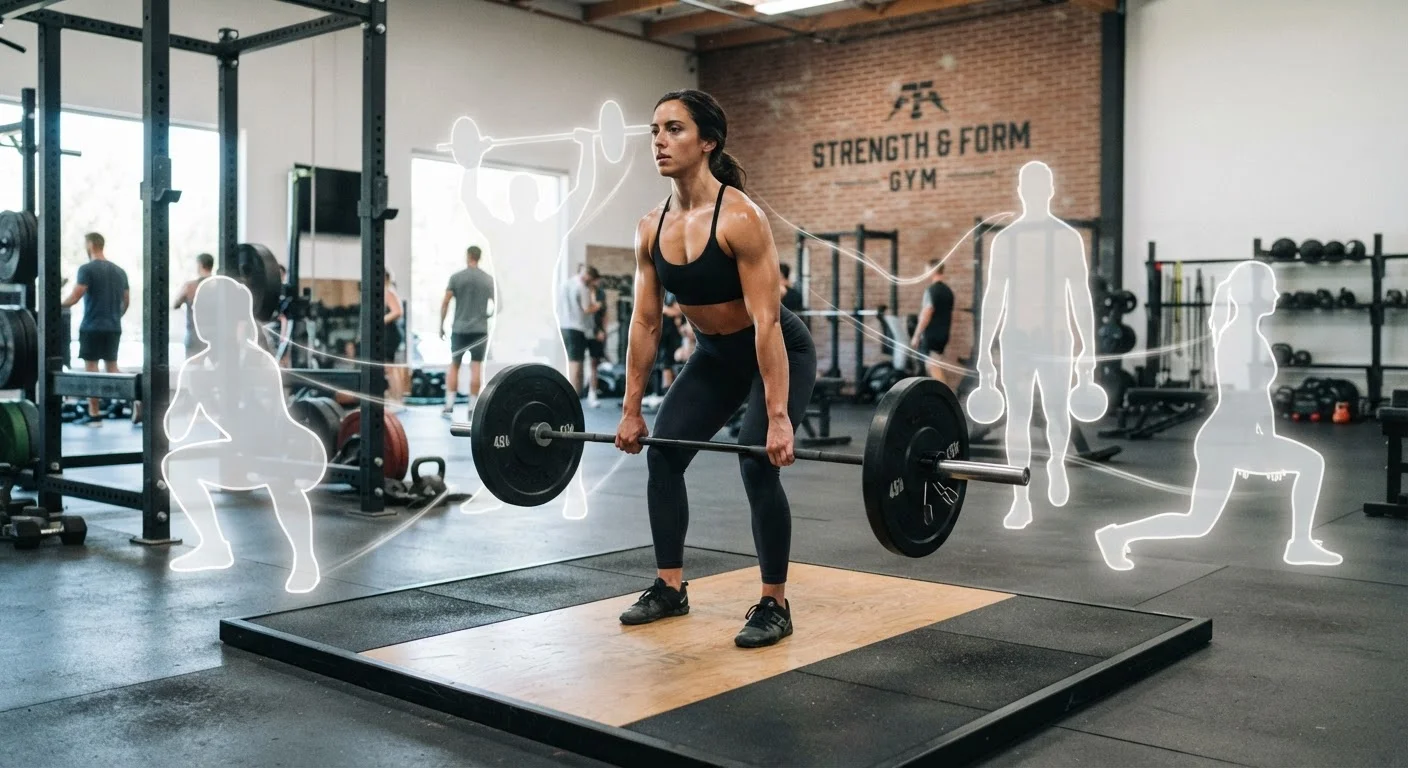
The Seven Foundational Movement Patterns Every Exerciser Should Know
Push, pull, hinge, squat, carry, rotate, and gait — learn why these seven patterns form th…

The Traps That Derail Beginners in Their First Month of Exercise
Overtraining, skipping warm-ups, chasing soreness — the early missteps that stall new exer…

Why Warming Up Is Not Optional - And What a Good One Looks Like
Understand the physiological reasons a warm-up matters, and learn what a genuinely effecti…

Active Commuting: What It Actually Does to Your Body Over Time
Walking or cycling to work is more than a transport choice. Explore the documented health …

Everyday Movement From Your 20s to Your 70s: How Active Habits Should Shift With Age
The way you stay active in your 30s doesn't have to look the same in your 60s. A life-stag…

Everything You Need to Know About Staying Active Without Ever Joining a Gym
A comprehensive, end-to-end resource on building and sustaining meaningful physical activi…

Microbreaks at Work: The Science of Moving Every Hour
Short breaks to stand, stretch, or walk during the workday have measurable effects on ener…

Movement Habit Audit: Are You Actually As Active As You Think?
Use this structured checklist to honestly assess how much purposeful movement you're getti…

NEAT: The Hidden Engine Behind Everyday Calorie Burn
Learn what Non-Exercise Activity Thermogenesis is, why it matters more than most people re…

Sitting All Day Isn't the Same as Being Sedentary - Or Is It?
Unpacking the distinction between prolonged sitting and a sedentary lifestyle, and what th…

Standing Desks and Their Limits: What Swapping Your Chair Actually Changes
Standing desks are widely promoted, but they're not a complete solution to sedentary work.…

Starting From Scratch: A Grounded Introduction to Building a Daily Movement Habit
If structured exercise feels out of reach right now, this guide explains how to build cons…

Step Count Goals: Where the 10,000-Steps Rule Came From and What It Really Means
The 10,000-steps benchmark is everywhere — but its origins may surprise you. Here's what s…

The Case for Movement Snacks: Short Activity Bursts vs. One Long Workout
How do brief activity breaks scattered through the day compare to a single structured work…

Treating a Walk as Optional: The Overlooked Cost of Skipping Low-Intensity Movement
Many people cancel casual walks or short activity breaks without a second thought. Here's …

Walking More Without Rearranging Your Entire Day
Practical strategies for weaving extra steps into a busy routine — no gym, no special gear…

Ways Everyday Chores Count as Genuine Physical Activity
Vacuuming, gardening, and carrying groceries aren't just errands — they contribute measura…

Why Consistency Beats Intensity for Long-Term Everyday Fitness
Research on habit formation and physical health suggests that showing up regularly — even …

Active Recovery vs. Passive Rest: Choosing the Right Approach After a Hard Workout
Should you go for a walk or lie on the couch? Understanding the difference between active …

Building a Weekly Recovery Routine That Works Alongside Your Training
A structured approach to rest doesn't mean doing nothing. Learn how to build recovery into…

Cold Plunges, Heat Therapy, and Contrast Methods: A Recovery Comparison
Ice baths, saunas, and contrast therapy each claim recovery benefits. Here's what the evid…
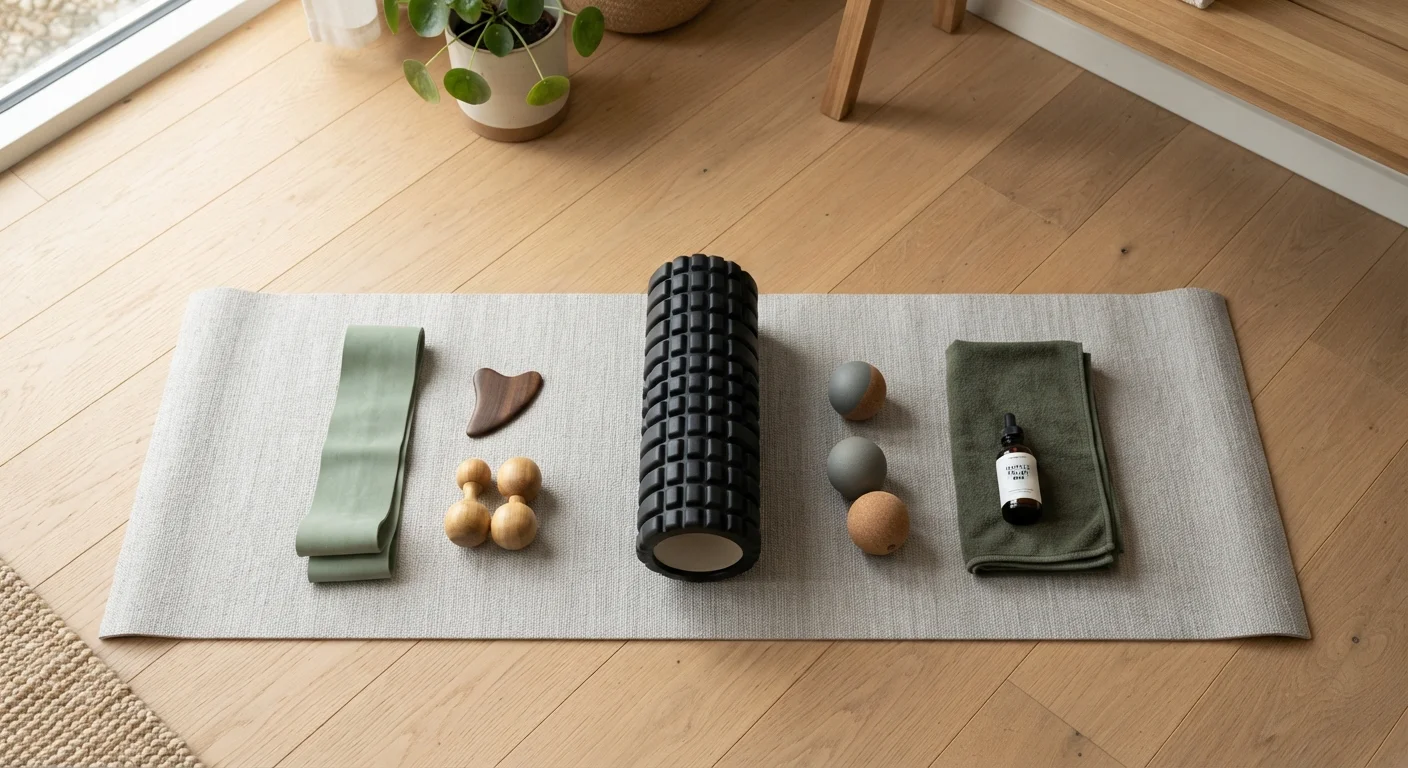
Foam Rolling, Stretching, and Massage: What the Science Actually Says
Three popular recovery methods, one honest breakdown. Here's what research supports, what'…

Getting Started with Recovery: A Practical Foundation for Beginners
If you're new to structured exercise, recovery is the first habit worth building. Here's a…

How Much Sleep Do Physically Active Adults Actually Need?
Exercise changes your sleep requirements. Explore what current research says about sleep d…

Mobility Work Isn't the Same as Stretching-Here's the Difference
Flexibility and mobility are related but distinct. Understanding what each targets helps y…

Overtraining Syndrome Is Real-and Surprisingly Easy to Miss
Overtraining syndrome goes beyond tired muscles. Understand its causes, how it differs fro…
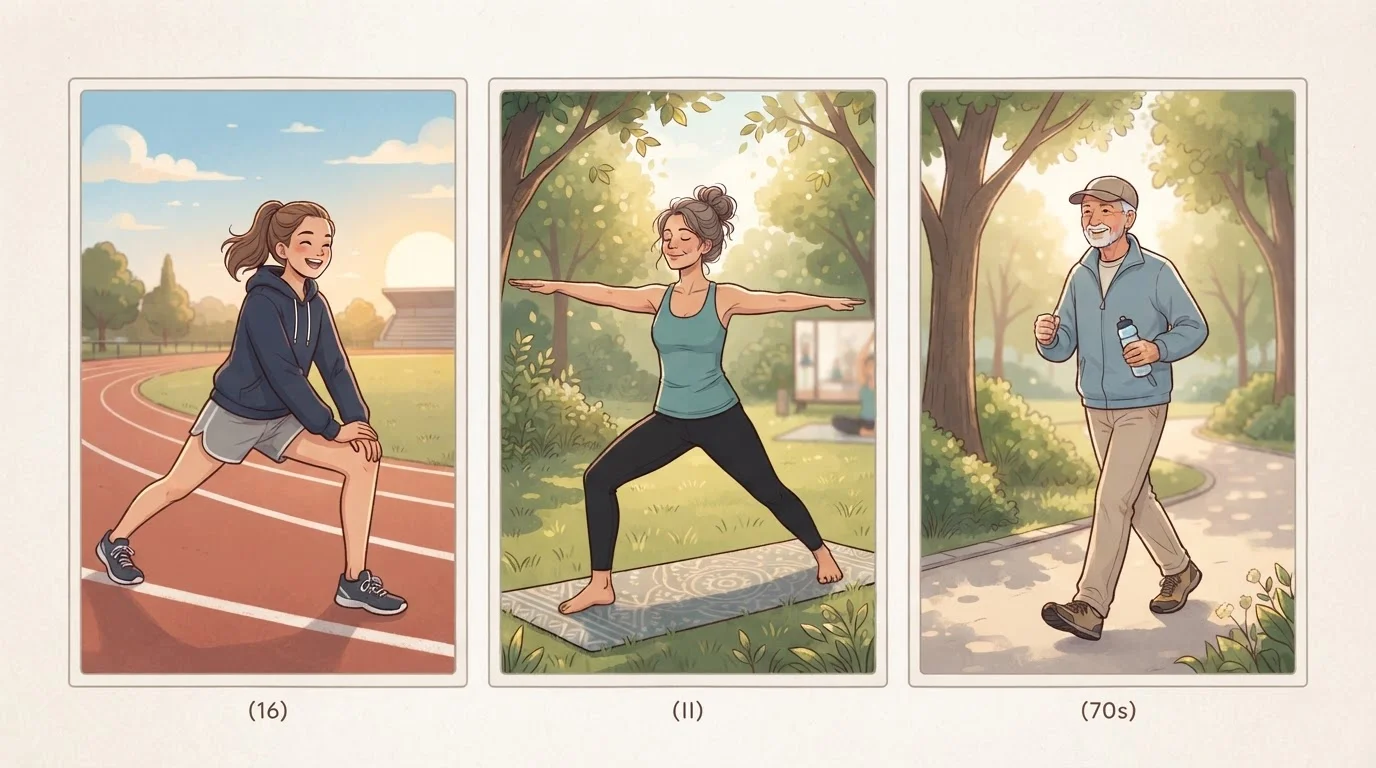
Recovery Across Every Stage of Life: How Age Changes What Your Body Needs
Teens, adults, and older exercisers all recover differently. Here's how the science of res…

Recovery Nutrition: What to Eat After Exercise and Why Timing Matters
Post-workout nutrition affects how well your body repairs and adapts. Here's a plain-langu…

Signs Your Body Needs More Recovery Time Than You're Giving It
Persistent soreness, poor sleep, and plateauing performance can all signal under-recovery.…

Sleep and Muscle Repair: What Happens to Your Body Overnight
Deep sleep triggers hormonal processes that rebuild muscle tissue. Learn why quality sleep…

The Physiology of Muscle Soreness: DOMS Demystified
Delayed onset muscle soreness isn't caused by lactic acid buildup. Here's what actually tr…

When Pushing Through Pain Becomes a Problem: Recognizing Injury Risk
Not all discomfort is equal. Learn how to distinguish productive training stress from warn…

Why Rest Days Are Training Days in Disguise
Rest days aren't pauses in your progress—they're when adaptation happens. Here's what your…