
Everyday Movement From Your 20s to Your 70s: How Active Habits Should Shift With Age

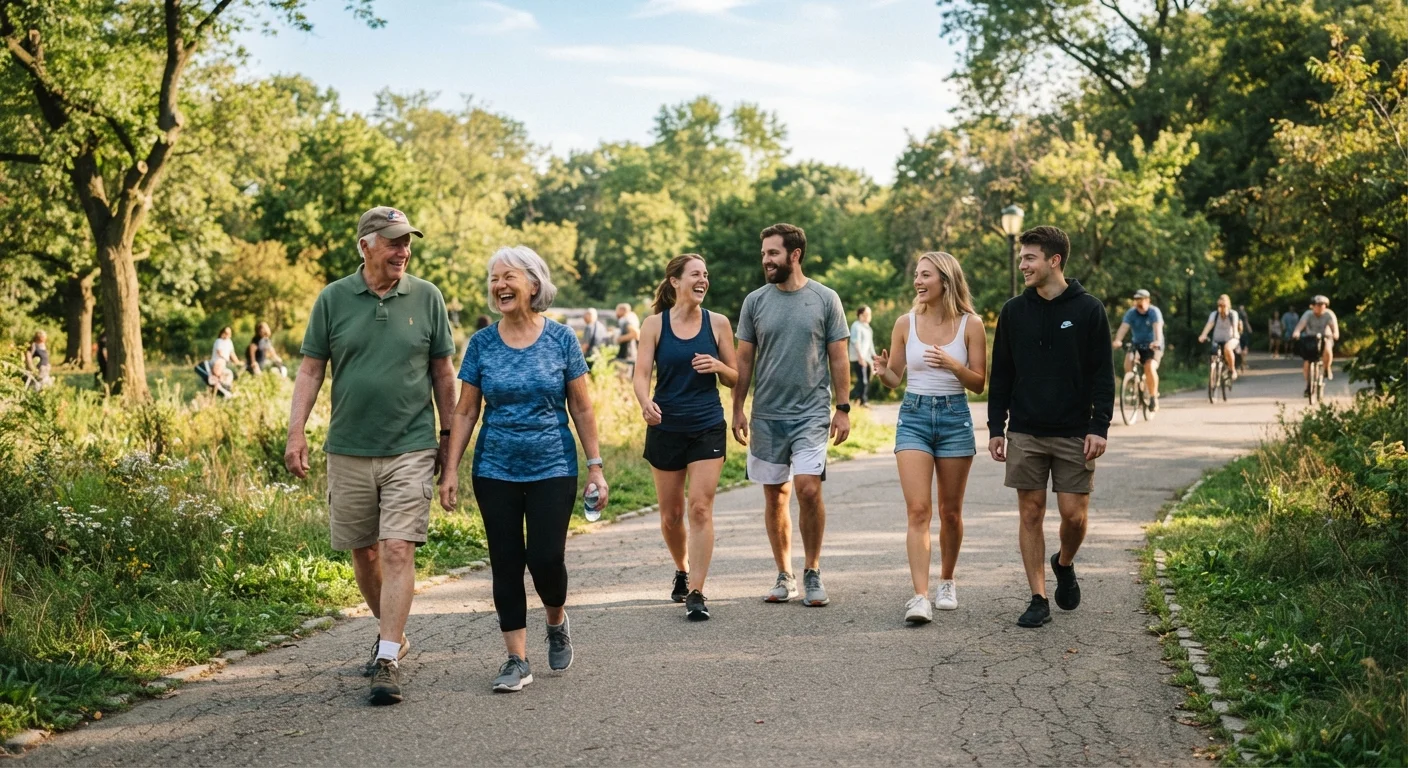
Why Movement Needs Change as You Age
Staying physically active across a lifetime is one of the most well-supported strategies for long-term health - but the form that activity takes doesn't need to stay frozen in your college years. Bone density, muscle mass, joint resilience, recovery capacity, and even cardiovascular response all shift with age. Ignoring those changes doesn't make you tougher; it increases injury risk and burnout.
The good news: the science of exercise consistently shows that meaningful movement is possible and beneficial at every life stage. The goal isn't to maintain a 25-year-old's workout forever. It's to match your habits to where your body actually is - and keep moving. See our movement habit audit to honestly assess where your current gaps are hiding.
By the Decade: What Active Habits Should Look Like
Your 20s - Build the Foundation
Your 20s are typically peak years for cardiovascular capacity, muscle recruitment, and bone-density accumulation. This is the time to establish consistent habits: regular aerobic activity, basic strength training, and flexibility work. Variety matters here - building a wide movement vocabulary now (running, lifting, swimming, yoga, sports) gives your body more options to draw on later.
Recovery is often fast in this decade, which can encourage overtraining. Listen anyway. Sleep is your most underused performance tool.
Your 30s - Protect the Habit Through Life's Demands
Careers, young families, and shrinking free time make this decade the one where movement habits most often quietly collapse. Consistency over intensity becomes the operative principle. Shorter, scheduled sessions - even 20-30 minutes of brisk walking or bodyweight work - beat irregular intense bouts. Strength training takes on added importance as muscle mass naturally begins a slow decline after the late 20s.
Your 40s - Prioritize Strength and Recovery
Metabolic rate slows, and recovery takes longer. Resistance training becomes especially important: preserving muscle mass supports metabolism, bone density, and functional independence later in life. Joint care - adequate warm-up, mobility work, and not skipping rest days - pays dividends. Many people find that lower-impact activities like cycling, swimming, or hiking serve them well alongside their strength work. For a broader health picture at this stage, see the whole-person aging checklist.
Your 50s and 60s - Shift Toward Sustainability
Muscle loss (sarcopenia) accelerates after 50, making resistance training a true health priority - not optional. Balance training enters the picture, since fall risk increases with age. Aerobic activity remains valuable but may need to shift toward moderate-intensity formats. Strength training after 50 is well within reach with adapted strategies. Walking remains one of the most evidence-supported daily habits at any intensity level.
Your 70s and Beyond - Keep Moving, Adapt Freely
The emphasis shifts to functional movement: the ability to rise from a chair, carry groceries, maintain balance, and navigate stairs. Chair-based exercises, gentle yoga, water aerobics, and regular walks are all meaningful. Even light activity accumulated in short bouts throughout the day contributes to health outcomes. The goal is not performance - it's continued independence and quality of life.
If you have chronic conditions or haven't been active recently, always consult a qualified healthcare professional before starting or significantly changing an exercise routine.
Principles That Hold Across Every Age
Regardless of decade, a few movement principles remain consistently supported by exercise science:
- Consistency beats intensity. Regular moderate movement outperforms sporadic intense effort for long-term health.
- Strength training is for everyone. Resistance work supports muscle, bone, and metabolic health at every age.
- Daily walking is foundational. Even without a structured program, habitual walking provides cardiovascular and mental health benefits.
- Recovery is part of training. Sleep, rest days, and stress management affect how well your body adapts to movement.
You don't need a gym to build these habits. See how to stay active without a gym membership for practical options. And if life circumstances are shifting your schedule, adapting daily routines to your life stage can help you rebuild a framework that actually fits.
This article is for general informational purposes only and is not a substitute for personalized medical or fitness advice. Always consult a qualified healthcare or fitness professional before making significant changes to your activity level, particularly if you have existing health conditions.