

Key Takeaways
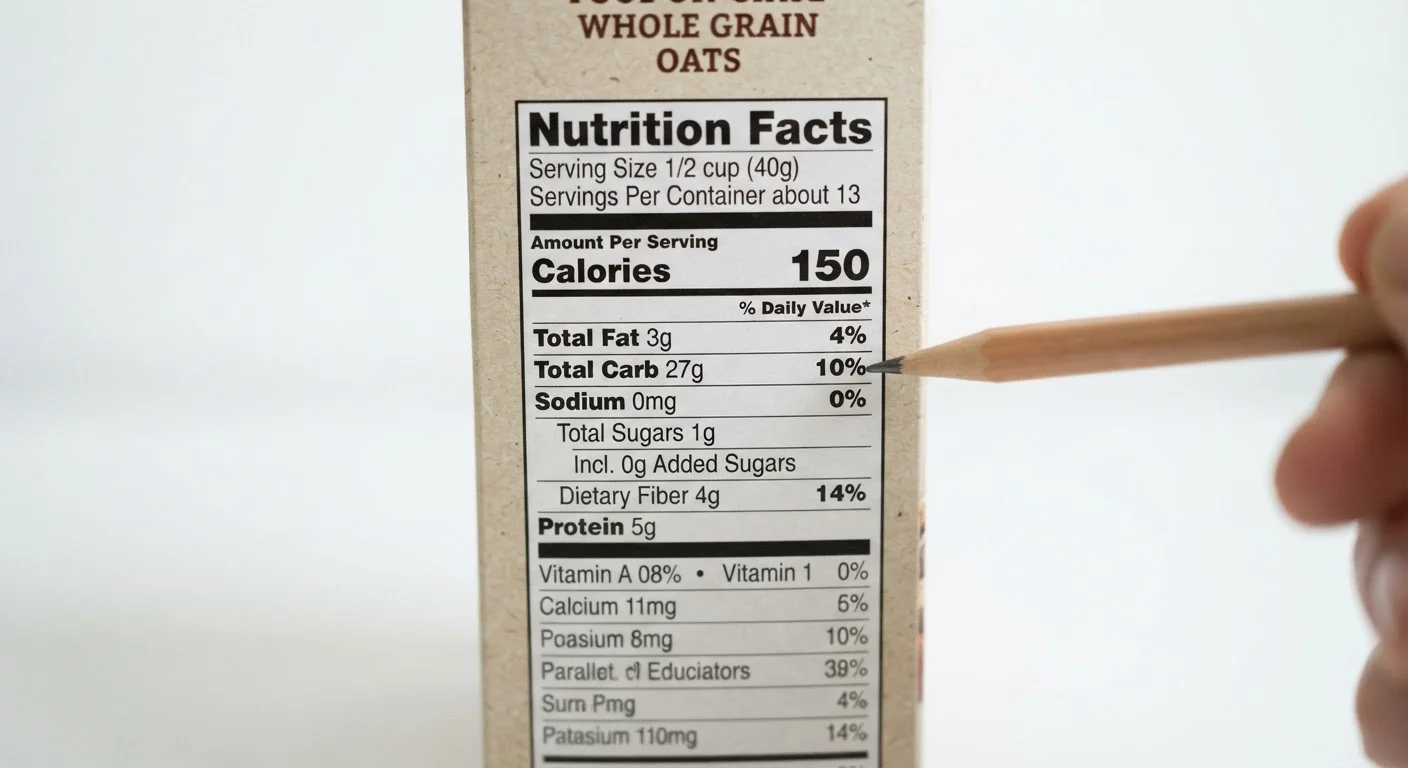
- Serving size is the anchor for every number on the label — always check it first.
- Carbohydrates, protein, and fat are the three macronutrients listed on every U.S. Nutrition Facts panel.
- Calories per gram differ by macro: fat provides 9 per gram; carbs and protein each provide 4.
- Percent Daily Values are based on a 2,000-calorie reference diet and may not reflect your personal needs.
- Sub-categories like fiber, added sugars, and saturated fat reveal the quality of each macro, not just quantity.
What you will need
Why Macronutrients Are the Core of Any Nutrition Label
The U.S. Nutrition Facts label is a federally standardized panel regulated by the FDA. Its primary purpose is to help consumers make informed food choices — and macronutrients occupy the most prominent space on it for good reason.
Macronutrients — carbohydrates, protein, and fat — are the three categories of nutrients that supply your body with energy, measured in calories. For a deeper look at what each one does in the body, see our plain-language guide to macronutrients. Unlike vitamins and minerals (micronutrients), which the body needs in small amounts, macros are consumed in gram quantities at every meal.
Reading a label specifically for macros is a focused skill. It's different from scanning for sodium or checking micronutrients — if that's your goal, our guide to reading labels for vitamins and minerals covers that territory. This walkthrough zeroes in on carbohydrates, fat, and protein: where to find them, what sub-categories mean, and how to interpret the numbers without getting overwhelmed.
What you will need
What to Do Once You Know Your Macro Numbers
Identifying macros on a label is only half the equation. The more useful skill is understanding what those numbers mean in the context of your overall diet — not just a single food item.
A food high in fat, for example, isn't automatically a poor choice. Nuts and avocados are calorie-dense and fat-rich, yet they provide nutrients with well-established roles in a balanced diet. This is where the distinction between calorie density and nutrient density matters. Our article on calorie density vs. nutrient density explains how to think about both when evaluating foods.
If you find label-reading useful but worry about it becoming a source of stress or anxiety, know that tracking every gram is not necessary for most people. Our related piece on tracking macros without obsessing offers balanced approaches that keep the practice grounded. For a full walkthrough of the entire Nutrition Facts panel — beyond just macros — reading a nutrition label without getting lost covers every section from top to bottom.
Practice With One Label Today
Grab any packaged food from your pantry and work through each step above in real time. Reading an actual label anchors the concepts far more effectively than reading alone. Within a few repetitions, locating macros on any new product will become second nature.
This article is for general informational and educational purposes only and is not a substitute for personalized medical or dietary advice. Consult a qualified healthcare professional or registered dietitian for guidance tailored to your individual health needs.