

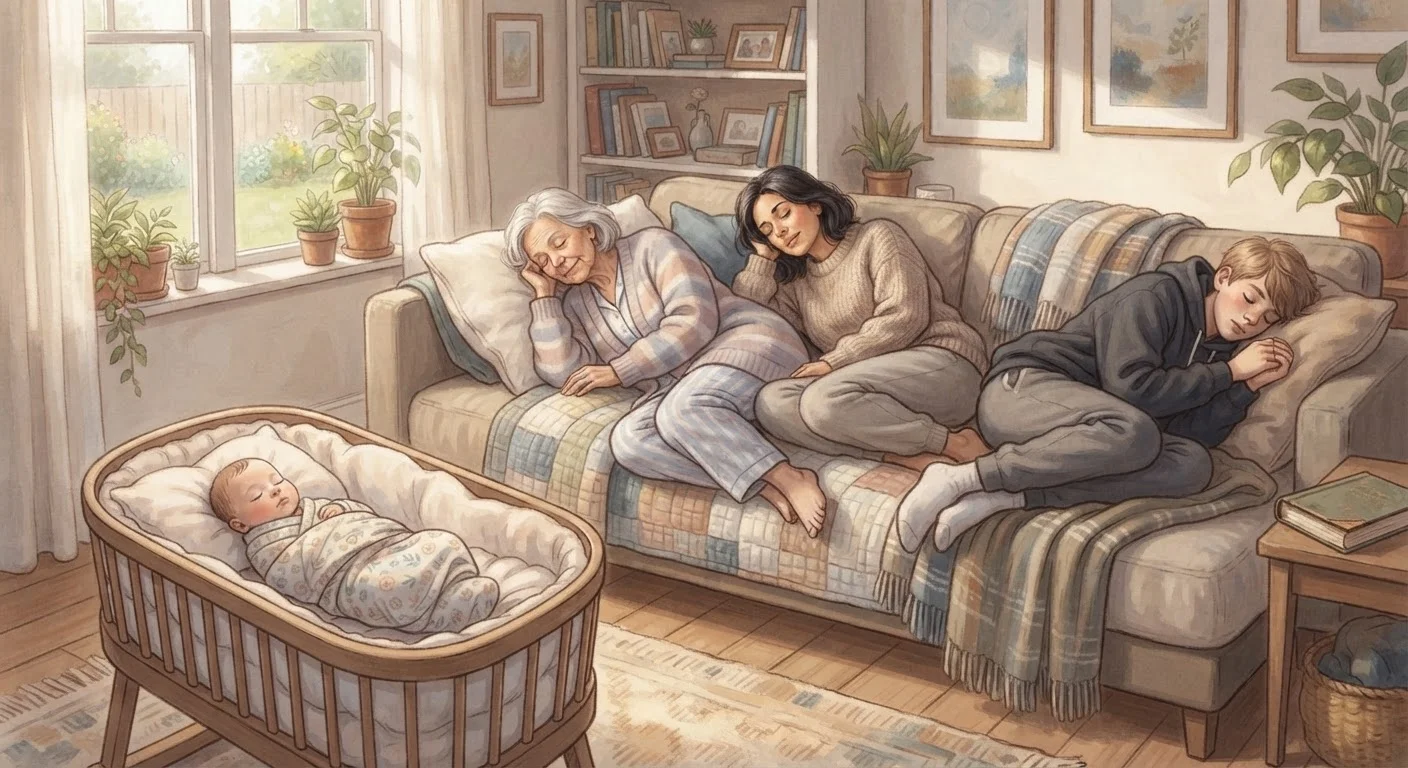
Why Sleep Isn't One-Size-Fits-All
Sleep is not a single, fixed experience. Its duration, structure, and timing shift considerably as the human body and brain develop, mature, and age. What qualifies as restorative sleep for a teenager looks quite different from what an older adult needs — and understanding those differences matters for mental and physical well-being alike.
The science of sleep cycles and stages shows that the architecture of sleep — the balance of light sleep, deep slow-wave sleep, and REM sleep — is not static. It evolves continuously across the lifespan, driven by neurological development, hormonal shifts, and aging processes. Recognizing these patterns helps set realistic expectations at every stage of life.
This article is general health information and is not a substitute for personalized medical advice. If you have concerns about your sleep or that of a family member, consult a qualified healthcare professional.
Sleep by Life Stage: What the Research Says
Infants and toddlers (0–3 years): Newborns sleep 14–17 hours per day in fragmented cycles, spending proportionally more time in REM sleep — a stage thought to support rapid brain development. By age two, most children consolidate into a longer overnight period plus one daytime nap.
School-age children (6–12 years): Children in middle childhood typically need 9–11 hours per night. Slow-wave (deep) sleep is especially robust at this stage, supporting memory consolidation and growth hormone release.
Teenagers (13–18 years): Adolescence brings a well-documented biological shift in circadian timing — the internal clock genuinely delays, making it harder to fall asleep before 11 p.m. and difficult to wake early. Research consistently links early school start times to sleep deprivation in this group. The recommended range is 8–10 hours. For a broader look at how sleep architecture shifts across developmental stages, the changes in adolescence are among the most striking.
Young and middle-aged adults (18–64 years): Seven to nine hours remains the evidence-based target for most adults. Deep slow-wave sleep begins declining gradually through the thirties and forties. Adults who train regularly may find their recovery needs differ; exercise meaningfully changes sleep requirements.
Older adults (65+): Sleep architecture changes substantially with age. Slow-wave sleep continues to decrease, nighttime awakenings become more frequent, and circadian rhythms often advance — meaning earlier sleep and earlier waking. Total sleep need does not dramatically decline (7–8 hours is still typical), but achieving consolidated, restorative sleep becomes more challenging. These patterns have real consequences: emerging research links chronic poor sleep to accelerated biological aging.
Circadian rhythm
The body's internal 24-hour biological clock that regulates cycles of sleepiness and alertness. It is influenced by light, temperature, and behavior, and shifts measurably during adolescence and again in older adulthood.
Sleep architecture
The structural pattern of sleep stages — including light sleep, deep slow-wave sleep, and REM sleep — across a single night. The proportion of each stage changes significantly with age.
Slow-wave sleep
The deepest stage of non-REM sleep, associated with physical restoration, immune function, and memory consolidation. It is most abundant in childhood and declines progressively through adulthood.
REM sleep
Rapid Eye Movement sleep is the stage most associated with dreaming and emotional memory processing. Newborns spend proportionally far more time in REM than adults do.
Circadian phase delay
A biologically driven shift in the sleep-wake cycle that typically occurs during adolescence, causing teenagers to feel alert later at night and sleepy later in the morning.
Supporting Healthy Sleep at Any Age
Across all life stages, a few evidence-backed principles tend to hold: consistent sleep and wake times help anchor the circadian rhythm; light exposure in the morning promotes alertness while reducing blue-light exposure in the evening supports melatonin production; and cool, dark sleeping environments are broadly beneficial.
That said, strategies that work well for a school-age child — like a firm bedtime — may need to be adapted for a teenager whose biology genuinely resists early sleep, or for an older adult whose sleep is lighter and more fragmented. Daytime naps and nighttime sleep serve overlapping but distinct functions, and short strategic naps may be especially useful for older adults or shift workers who cannot easily achieve consolidated overnight rest.
For those supporting family members across generations, a lifespan-oriented reference on normal sleep patterns can provide helpful context. Similarly, physical recovery needs also evolve with age, and sleep is central to that process at every stage.
If sleep difficulties persist — whether in a child, an adolescent, or an older adult — a healthcare provider can help identify contributing factors and appropriate support.