

Key Takeaways
- Chronic poor sleep is linked to elevated cardiovascular risk, including high blood pressure and heart disease.
- Sleep deprivation disrupts hormones that regulate hunger, increasing the risk of weight gain and metabolic issues.
- The immune system relies on sleep to mount effective responses; persistent poor sleep weakens immunity.
- Mood, memory, and decision-making are all measurably impaired by ongoing sleep deficits.
- Sleep is not passive recovery — it is an active biological process essential to every other healthy habit.
- Consult a healthcare professional if you regularly struggle to sleep, as underlying conditions may be involved.
Chronic Poor Sleep
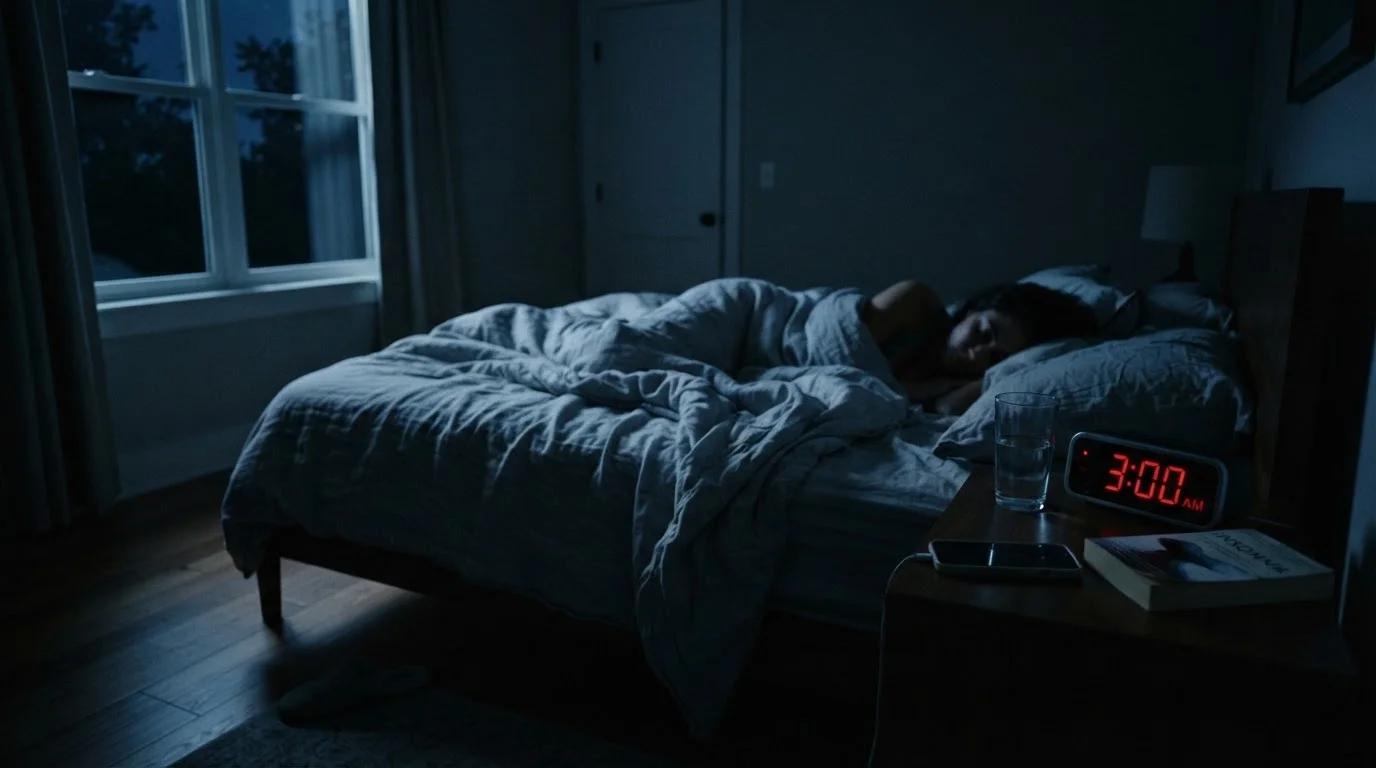
Chronic poor sleep refers to a persistent pattern of insufficient, disrupted, or non-restorative sleep lasting weeks, months, or longer. Unlike an occasional bad night, it is an ongoing state that prevents the body from completing the repair and regulatory processes that happen during quality rest. Most adults need between seven and nine hours of sleep per night, and consistently falling short — or experiencing poor-quality sleep regardless of duration — can compound into measurable health consequences over time.
Researchers distinguish between sleep duration (total time asleep), sleep continuity (how fragmented sleep is), and sleep architecture (the proportion of time spent in each sleep stage, including slow-wave and REM sleep). Deficits in any of these dimensions can contribute to adverse health outcomes.
Why Sleep Is More Than Rest
Sleep is often described as the body's maintenance window — a period during which the brain consolidates memories, cells repair damage, hormones reset, and the immune system organizes its defenses. Far from passive downtime, quality sleep is an active biological state that supports nearly every organ system. When that window is consistently cut short or disrupted, the costs extend well beyond feeling tired the next morning.
Understanding chronic poor sleep means recognizing that its harms are cumulative. One difficult night is manageable. A pattern sustained over months or years is a different matter — and the research on its health effects is substantial. This article outlines the key body systems affected and why sleep belongs at the center of any conversation about long-term wellness.
Cardiovascular and Metabolic Consequences
Among the most well-documented effects of chronic sleep loss are its links to cardiovascular health. Studies have associated short sleep duration with elevated blood pressure, increased inflammation, and a higher risk of heart disease and stroke. During sleep, blood pressure naturally dips — a process called nocturnal dipping — and disrupting this cycle repeatedly places added strain on the heart and blood vessels over time.
Metabolically, the effects are equally significant. Sleep deprivation alters the balance of hunger-regulating hormones: ghrelin (which stimulates appetite) tends to rise, while leptin (which signals fullness) tends to fall. This hormonal shift can drive increased calorie consumption, particularly of high-carbohydrate and high-fat foods. Over time, these patterns interact with insulin sensitivity, increasing the risk of type 2 diabetes. For a deeper look at how sleep and hormones interact to shape body composition, see Sleep, Stress, and Hormones.
1 in 3
U.S. adults not getting enough sleep
The CDC has reported that roughly one-third of American adults regularly sleep fewer than the recommended seven hours per night.
~45%
Higher cardiovascular risk with short sleep
Research published in major cardiovascular journals has linked habitually sleeping fewer than six hours with meaningfully elevated risk of hypertension and heart disease compared to those sleeping seven to nine hours.
~30%
Reduction in immune response after sleep loss
Studies have observed that even one week of restricted sleep can significantly reduce antibody responses to vaccination, highlighting sleep's role in immune function.
Immunity, Mood, and Cognitive Function
The immune system depends heavily on sleep to function properly. During deep sleep stages, the body produces cytokines — proteins that help coordinate immune responses to infection and inflammation. Chronic sleep loss reduces the production of these proteins and can impair the effectiveness of vaccines, slow wound healing, and increase susceptibility to common illnesses.
Mental health and cognition are equally vulnerable. Persistent sleep deficits are associated with heightened emotional reactivity, increased risk of anxiety and depression, and measurable impairments in memory, attention, and decision-making. These effects don't require total sleep deprivation — even modest nightly shortfalls, accumulated over time, can erode cognitive performance in ways that feel normal simply because they build so gradually. The cognitive cost of lost sleep is often underappreciated until functioning is noticeably affected.
The Long View: Sleep, Aging, and Disease Risk
Chronic poor sleep doesn't just affect how you feel day to day — evidence suggests it may accelerate aspects of biological aging and elevate long-term disease risk. Researchers have observed associations between habitual short sleep and markers of cellular aging, as well as increased risk for conditions including obesity, cardiovascular disease, and cognitive decline. Sleep is now understood to influence the glymphatic system — the brain's waste-clearance mechanism — which is most active during deep sleep and may play a role in neurological health over decades. For more on what research reveals about sleep and longevity, see Sleep and Longevity.
It's also worth noting that poor sleep rarely exists in isolation. It is often intertwined with other health-undermining habits — like extended sedentary time, high stress loads, and poor nutrition — creating overlapping risks that compound one another. Addressing sleep is not a standalone fix but a foundational investment in every other health behavior.
“Sleep is the single most effective thing we can do to reset our brain and body health each day. The evidence for this is overwhelming.”
— Matthew Walker, Professor of Neuroscience and Psychology, University of California, Berkeley; author of research on sleep and human health
This article is for general informational purposes only and does not constitute medical advice. If you regularly experience difficulty sleeping, please consult a qualified healthcare professional to discuss your individual situation.