

Key Takeaways
- Slow, controlled breathing directly activates the parasympathetic nervous system, reducing physiological stress responses.
- Diaphragmatic breathing and box breathing are among the most research-supported techniques for calming anxiety.
- Even a few minutes of intentional breathwork can produce measurable reductions in heart rate and cortisol.
- Consistency matters more than duration — short daily practice tends to outperform occasional long sessions.
- These techniques complement professional mental health care but do not replace it for clinical conditions.
What you will need
Why Breathing Changes How You Feel
Breathing is one of the few autonomic functions — processes the body runs automatically — that you can also consciously control. That dual nature makes it a uniquely powerful lever for mental well-being. When stress hits, the sympathetic nervous system (your body's "fight-or-flight" branch) accelerates your heart rate, tightens your muscles, and shallows your breathing. Deliberately slowing and deepening your breath sends a counter-signal: it activates the parasympathetic nervous system, sometimes called the "rest-and-digest" system, which dials down that alarm response.
Research published in journals such as Frontiers in Human Neuroscience and Psychophysiology has documented that slow, paced breathing — typically around four to six breath cycles per minute — increases heart rate variability (HRV), a physiological marker associated with emotional regulation and resilience. Higher HRV is linked to a greater capacity to recover from stress. This is not meditation mysticism; it is measurable biology.
If you are new to managing stress intentionally, the foundational overview of stress management provides helpful context before you begin building a breathing practice.
What you will need
Tools and Setup
One of breathwork's greatest advantages is that it requires almost nothing. Below is what helps most people get started.
Timer or phone clock
Keeps breath intervals consistent without requiring you to count mentally, freeing attention for the practice itself.
Comfortable cushion or chair
Supports an upright, relaxed posture that allows the diaphragm to move without restriction.
Quiet environment or noise-canceling headphones
Reduces external distraction so attention stays on the breath, especially helpful for beginners.
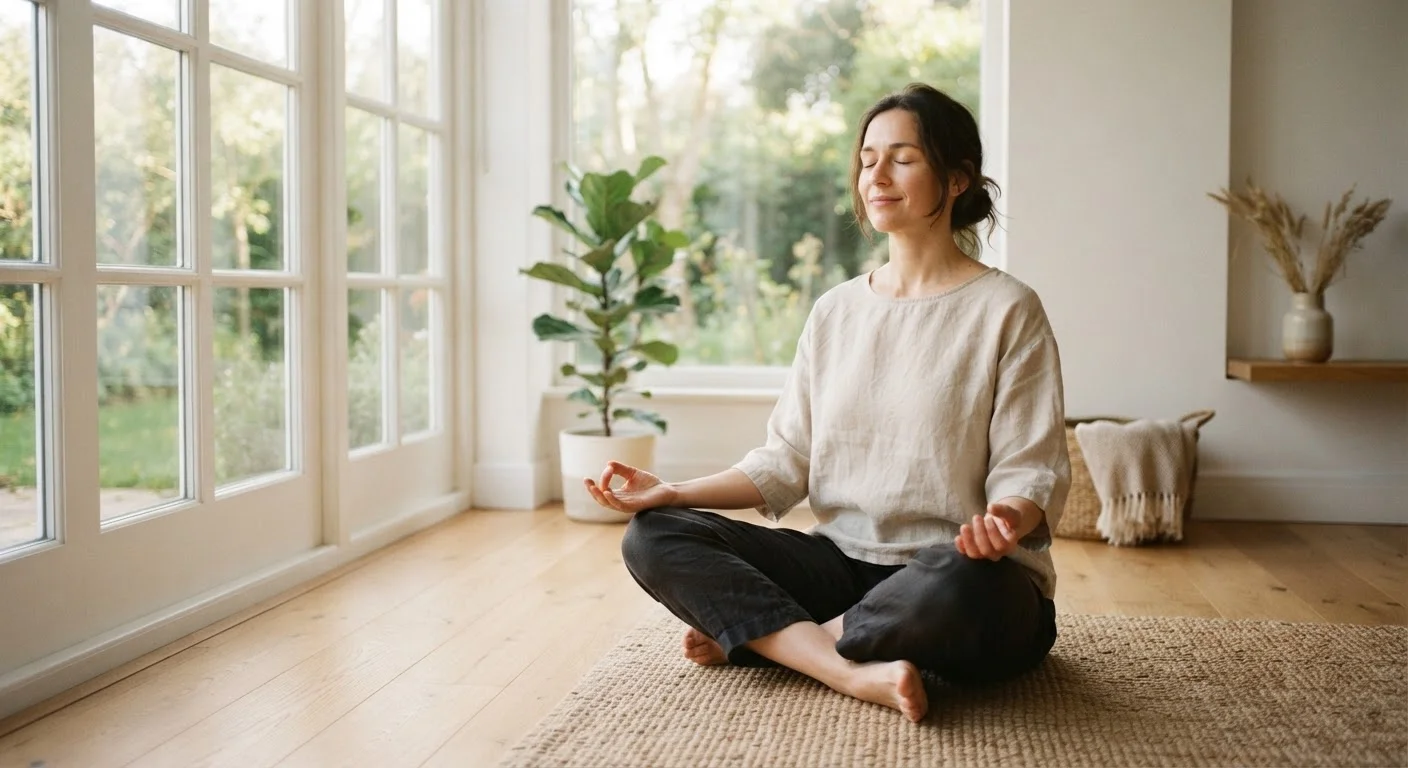
Before moving to the step-by-step instructions, find a position where your spine is reasonably upright — seated in a chair, cross-legged on a cushion, or lying flat. An upright posture allows the diaphragm to move freely, which is central to most of these techniques.
Evidence-Backed Breathing Techniques: Step-by-Step
The four techniques below are among the most studied in clinical and behavioral research settings. Each targets the nervous system through slightly different mechanisms — try each one to find what resonates with you.
Diaphragmatic (Belly) Breathing
Place one hand on your chest and one on your belly. Inhale slowly through your nose for a count of four, directing the breath so that your belly hand rises while your chest hand stays relatively still. Exhale gently through your mouth or nose for a count of six. The extended exhale is key — it preferentially activates the vagus nerve, which plays a central role in parasympathetic regulation. Repeat for five to ten cycles.
Box Breathing (4-4-4-4 Pattern)
Box breathing is widely used in clinical stress-reduction programs and has been studied in high-stress occupational settings. Inhale through your nose for a count of four. Hold the breath gently (without straining) for four counts. Exhale slowly and completely for four counts. Hold empty for four counts. That completes one box. Repeat four to six times. The symmetrical pattern creates a rhythmic, predictable breathing cycle that can interrupt anxious thought loops and stabilize the nervous system.
4-7-8 Breathing
Developed within yogic pranayama traditions and examined in modern relaxation research, this pattern uses a long exhale to reinforce parasympathetic tone. Inhale quietly through the nose for four counts. Hold for seven counts. Exhale completely through the mouth — with a gentle whoosh sound if comfortable — for eight counts. Begin with four cycles. The extended exhale-to-inhale ratio is the mechanism here: research suggests exhale-dominant breathing lowers heart rate more rapidly than equal-ratio patterns.
Resonance (Coherent) Breathing
Resonance breathing aims to synchronize breathing with the body's natural cardiovascular rhythms. The target is approximately five to six full breaths per minute, which typically means inhaling for five counts and exhaling for five counts. Studies published in peer-reviewed psychology and physiology journals have found that breathing at this rate maximizes HRV and has demonstrated benefits for anxiety and depression symptoms when practiced consistently. Set a soft timer for five minutes and maintain this slow, even cadence throughout.
For moments when anxiety spikes suddenly, breathing techniques pair well with the grounding exercises for acute anxiety covered in a companion article.
Making Breathwork a Daily Habit
Research consistently shows that the stress-reduction benefits of breathwork compound with regular practice. A single session can lower heart rate and reduce subjective tension in the moment, but practitioners who build brief daily routines tend to report more durable improvements in anxiety and emotional reactivity over weeks and months.
Practical integration points that many people find sustainable include: two to three minutes of diaphragmatic breathing immediately after waking, a box-breathing cycle before a stressful meeting or difficult conversation, and slow exhale breathing as part of a pre-sleep wind-down routine. These small anchors integrate naturally alongside other micro-habits that quietly reduce stress over time.
Start Small and Build Gradually
Even two or three minutes of intentional breathwork once a day can be enough to begin noticing a shift in how your body handles tension. Rather than aiming for long sessions you may not sustain, anchor a short practice to something you already do — morning coffee, a midday break, or brushing your teeth. Consistency over weeks tends to produce more lasting nervous system benefits than occasional intensive sessions.
If you experience dizziness, tingling, or discomfort during any exercise, stop and return to your normal breathing pattern. These sensations are usually harmless and related to a temporary shift in carbon dioxide levels, but they are a signal to slow down. People with respiratory conditions, cardiovascular concerns, or anxiety disorders should consult a qualified healthcare professional before starting a new breathwork practice.
For a broader framework that situates breathwork within a full stress management strategy, explore the hub covering everyday resilience-building tools.
This article is for general informational and educational purposes only and does not constitute medical advice. Always consult a qualified healthcare professional for guidance specific to your health situation.